Team
IVEP
Team leader: Jeanson Raphaël
Presentation
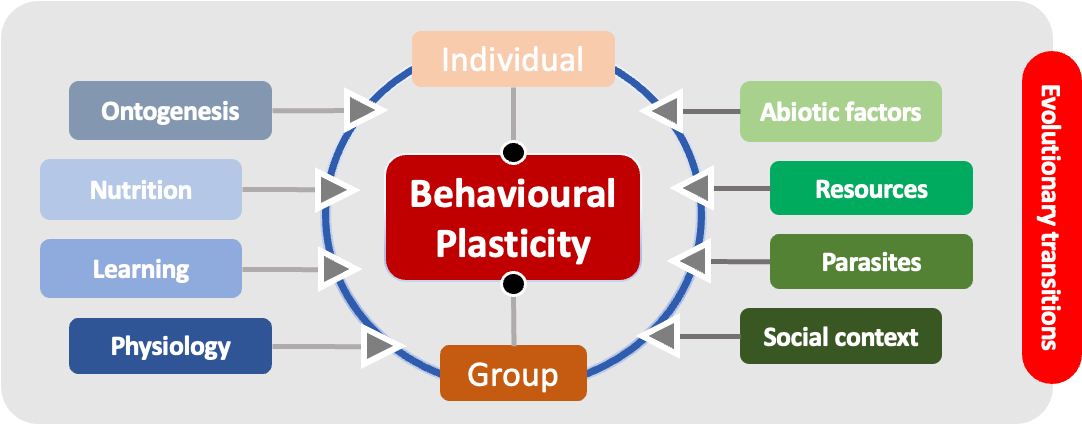
We study the determinants of phenotypic plasticity across different biological scales, from cells to individuals and entire animal societies. Phenotypic plasticity, the ability of a genotype to produce different phenotypes in response to environmental variation, is one of the key mechanisms through which organisms adapt to changing conditions. Using an integrated and interdisciplinary approach, we are exploring how biological entities, be they cells, individuals or animal societies, react to and integrate environmental stimuli to produce adapted behavioral responses.
Project 1
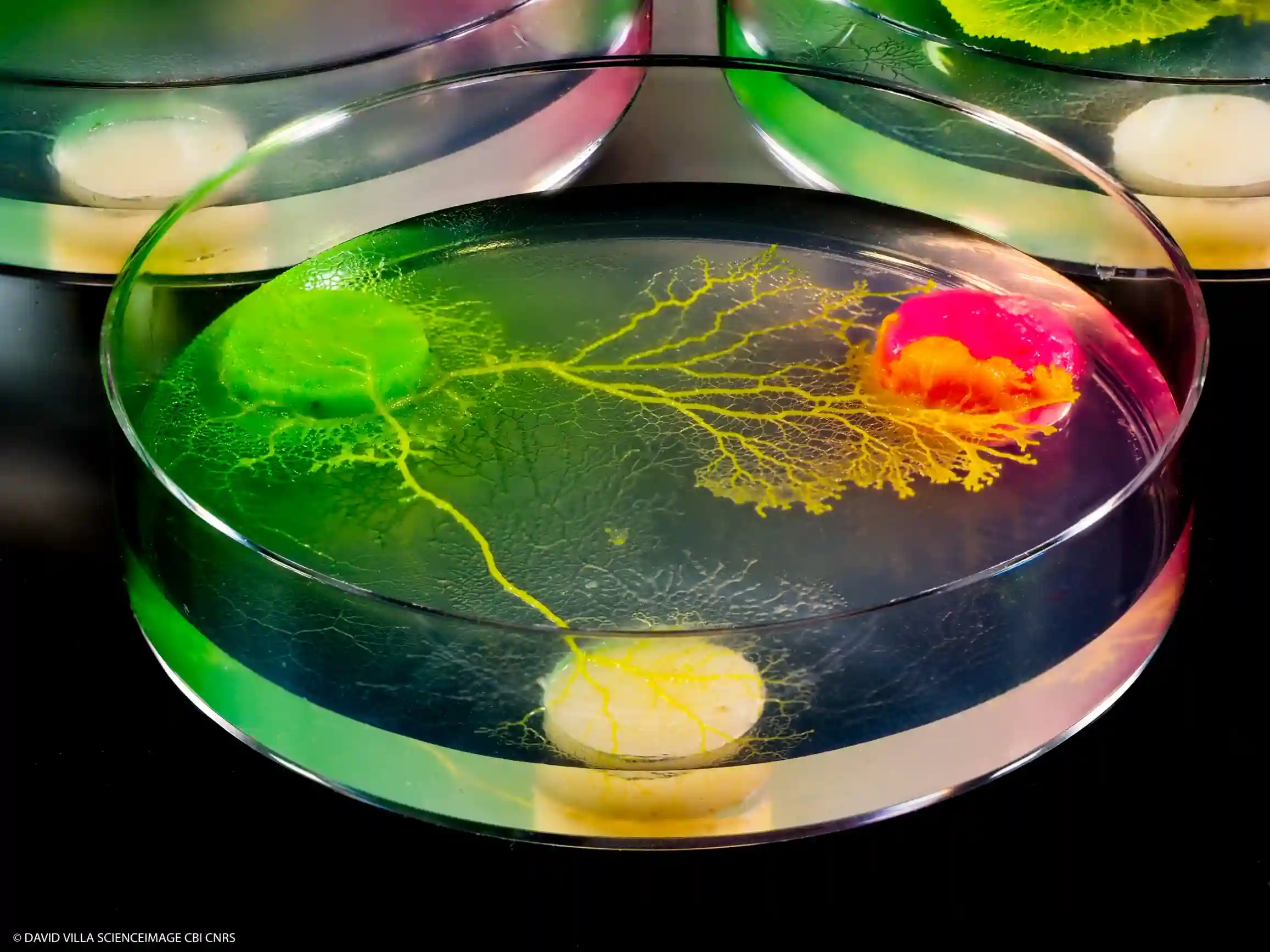
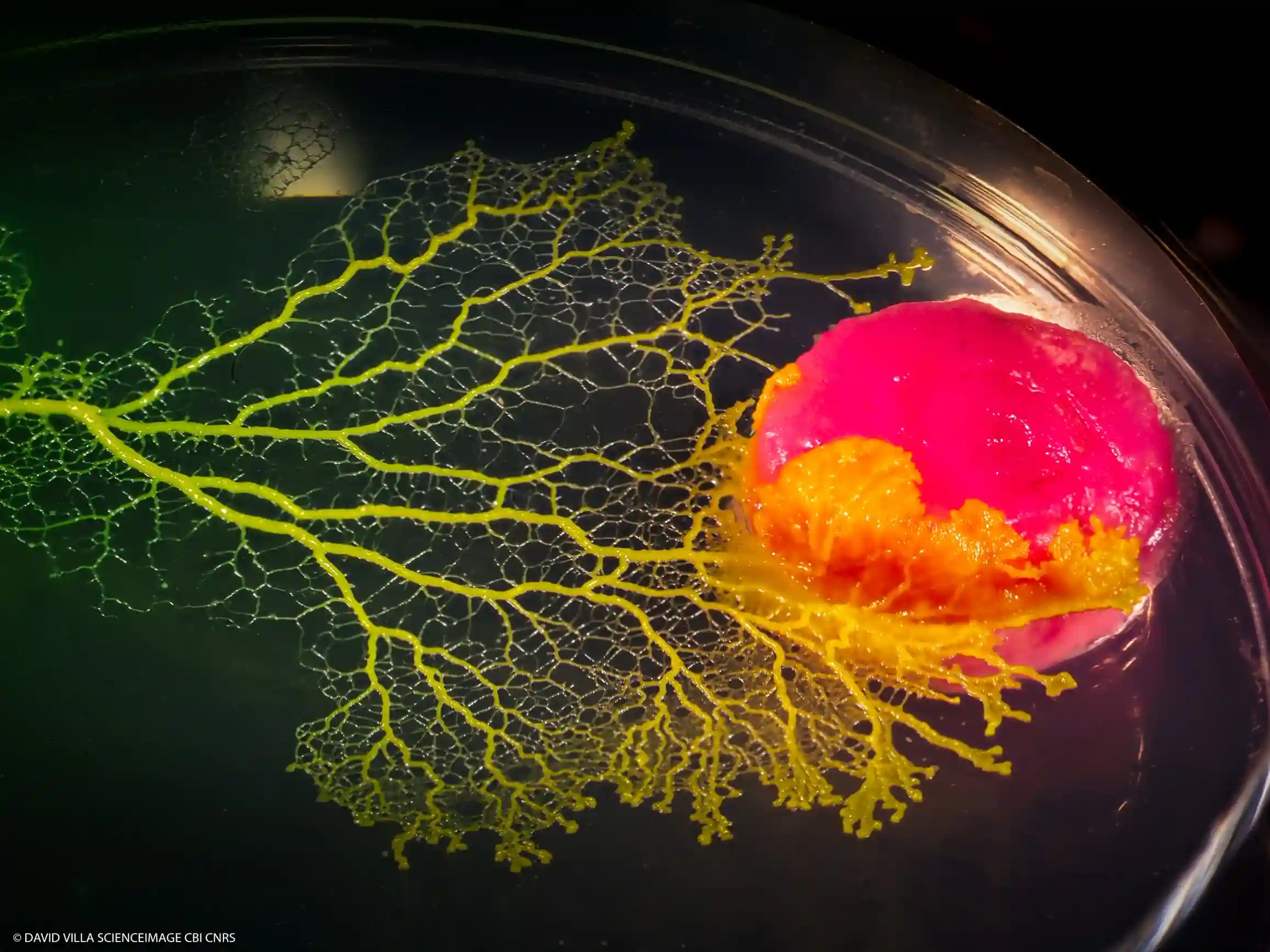
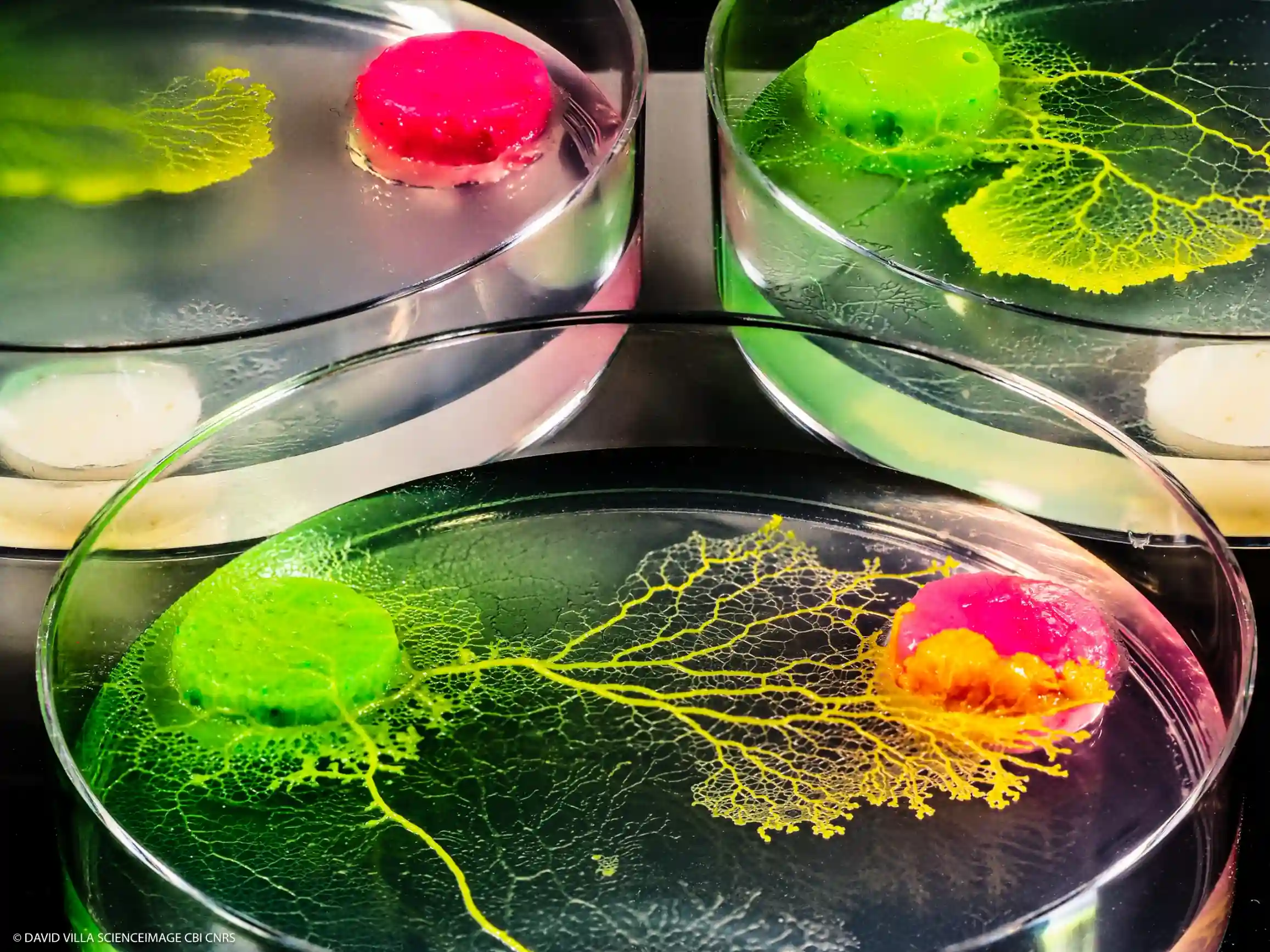
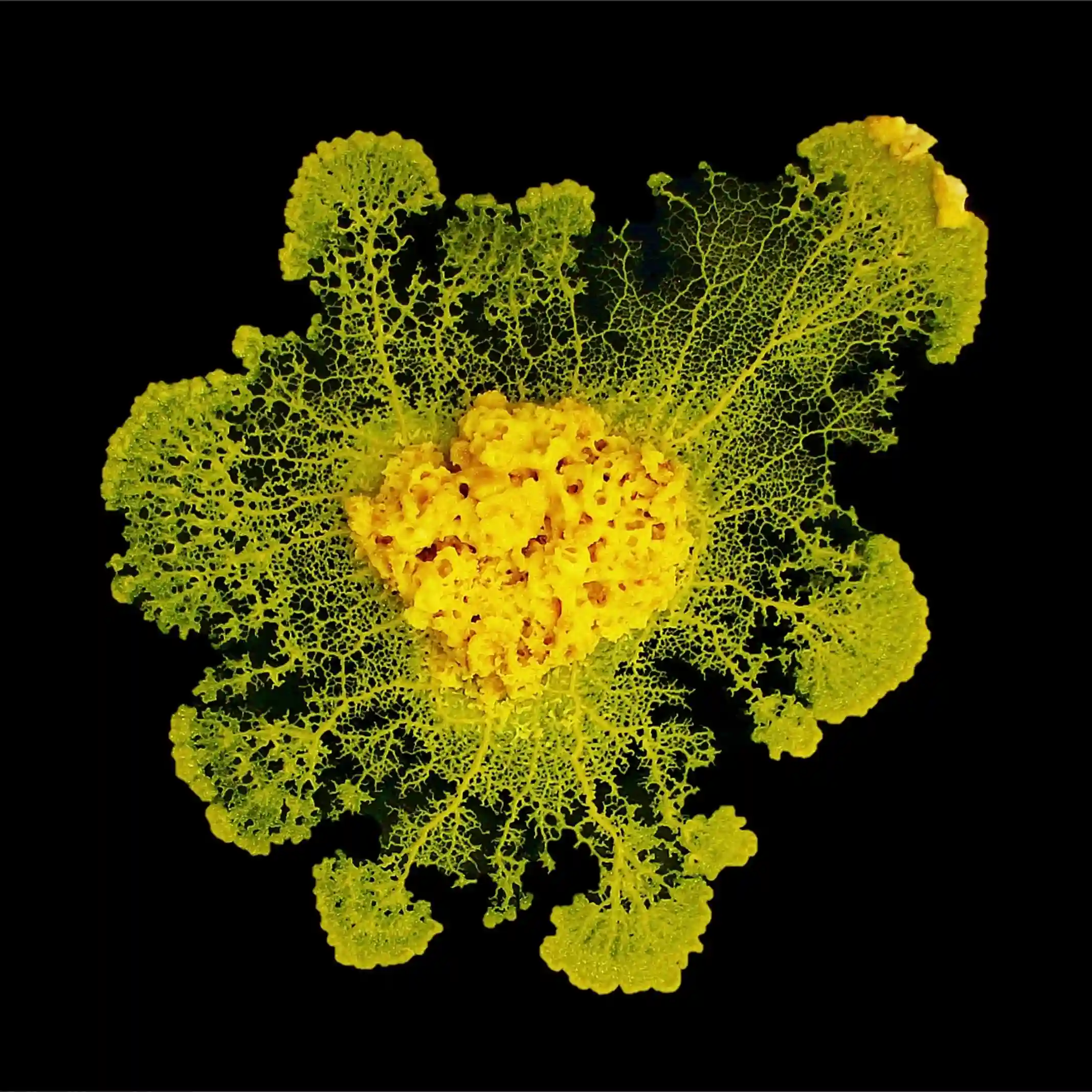
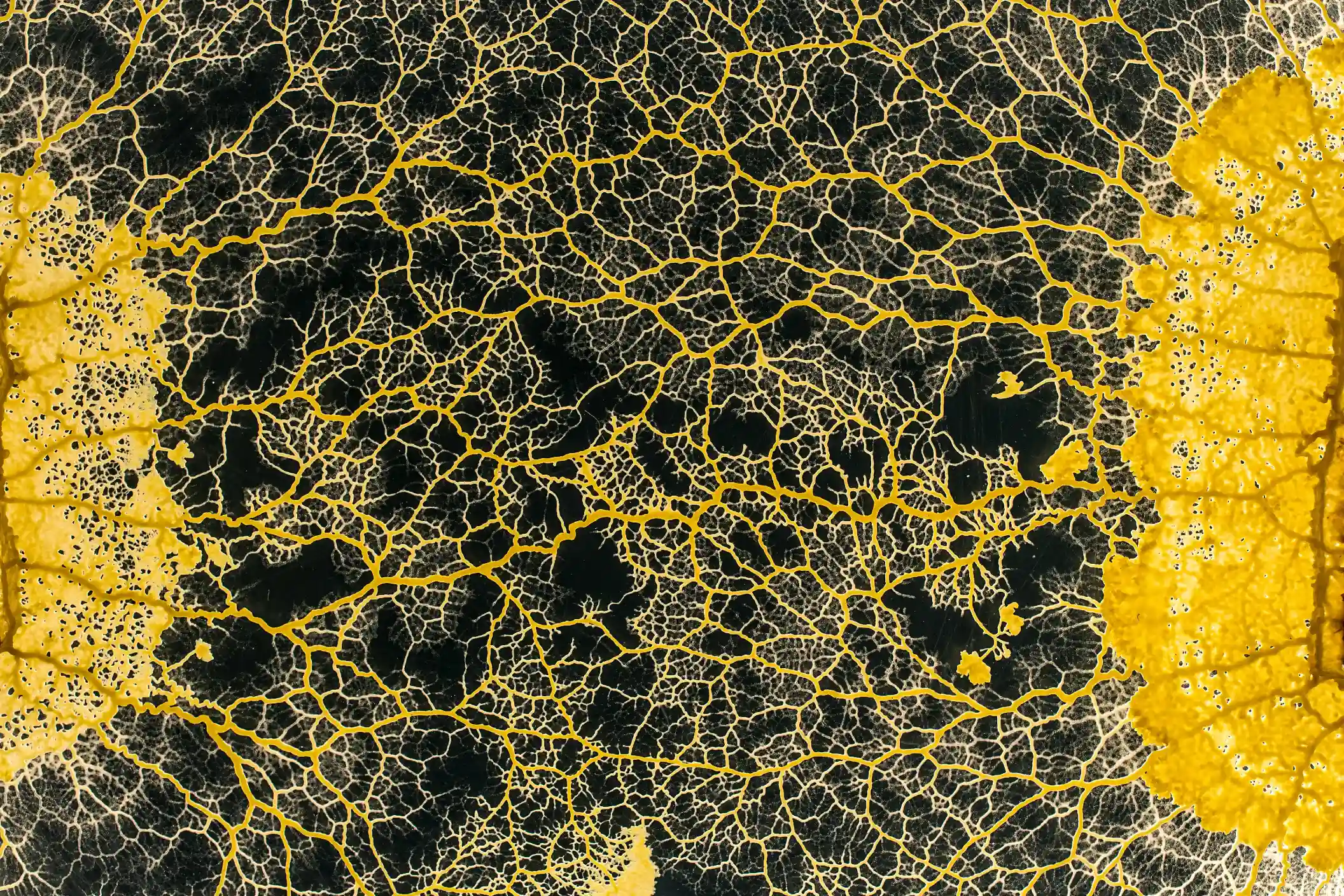
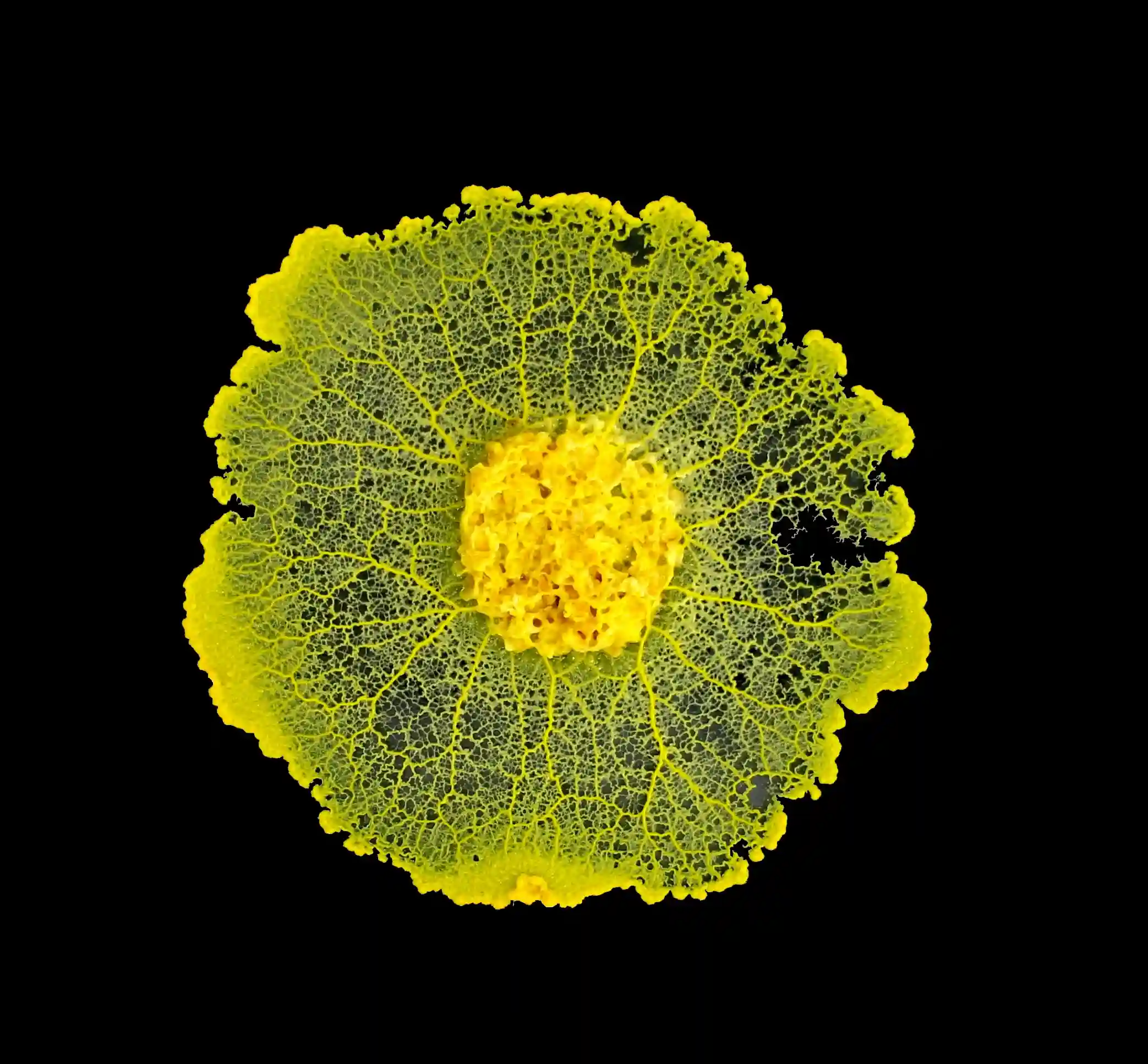
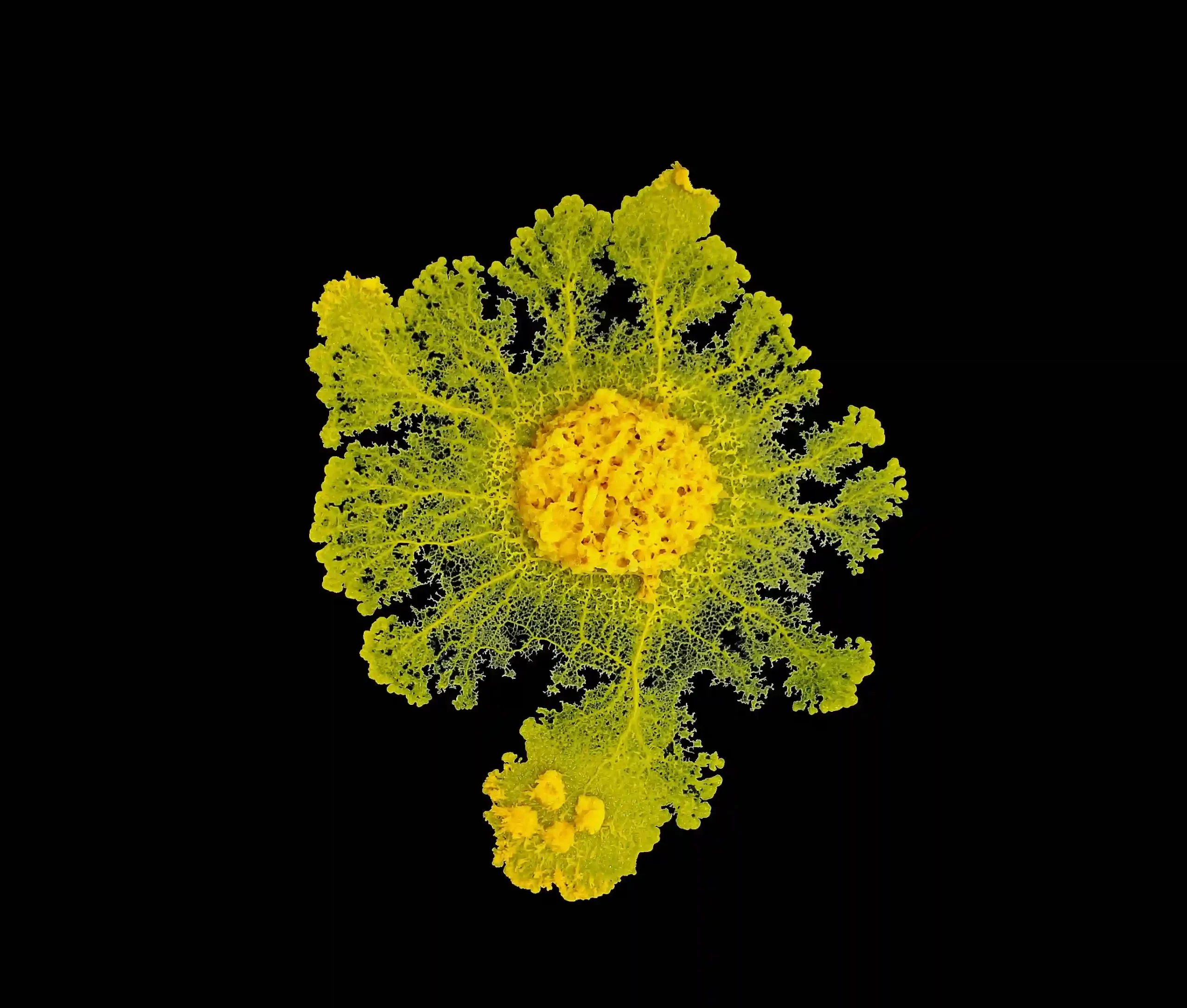
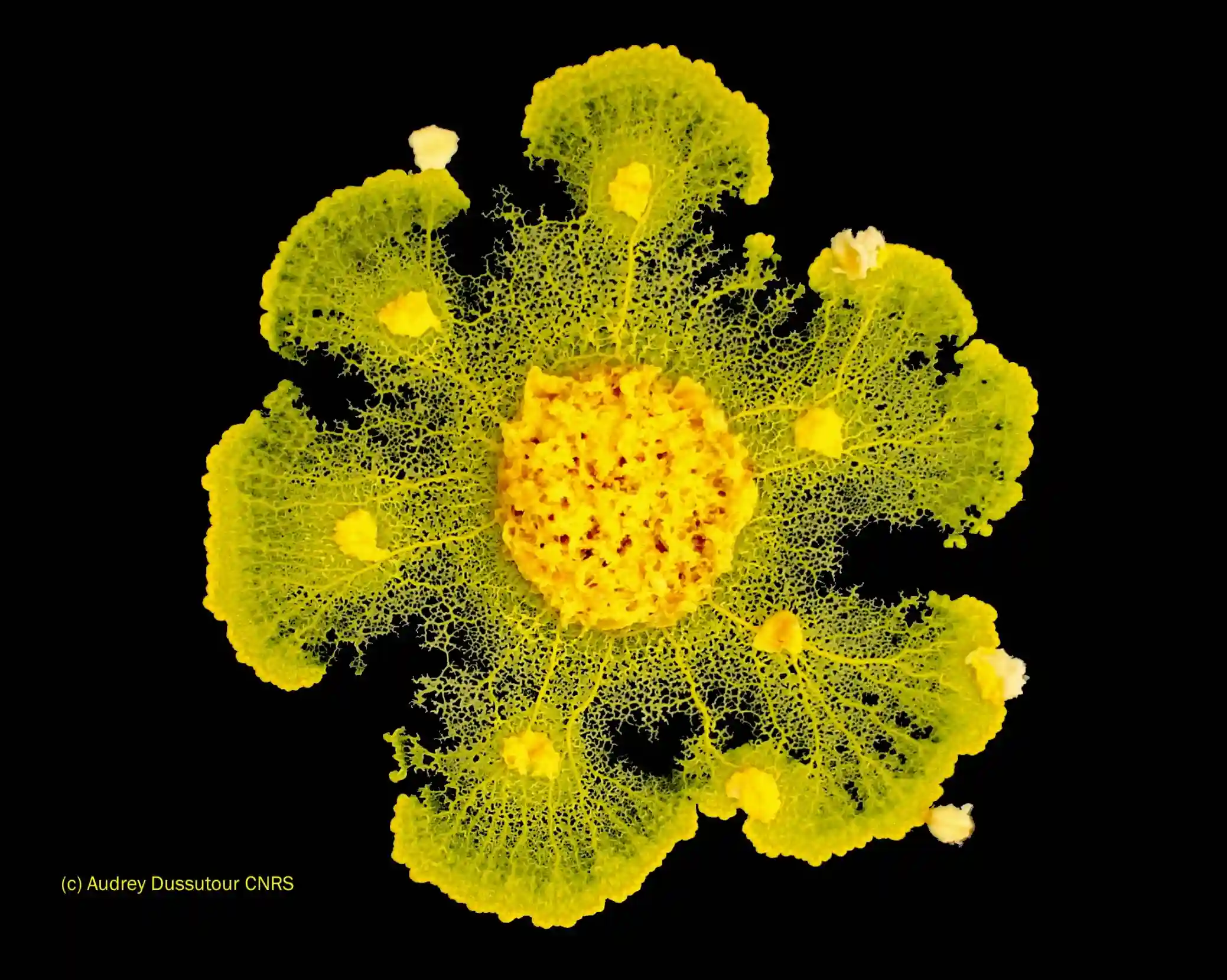
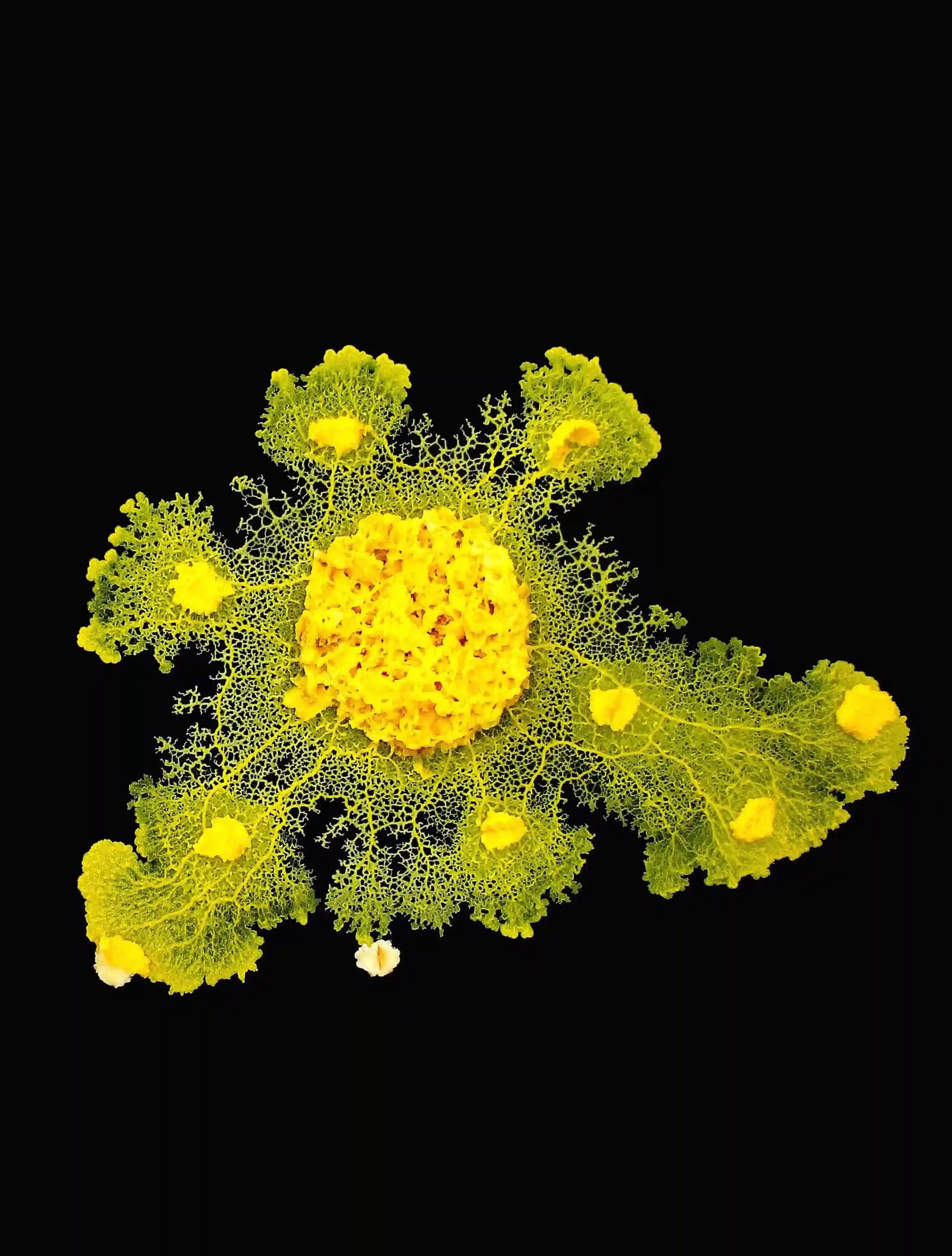
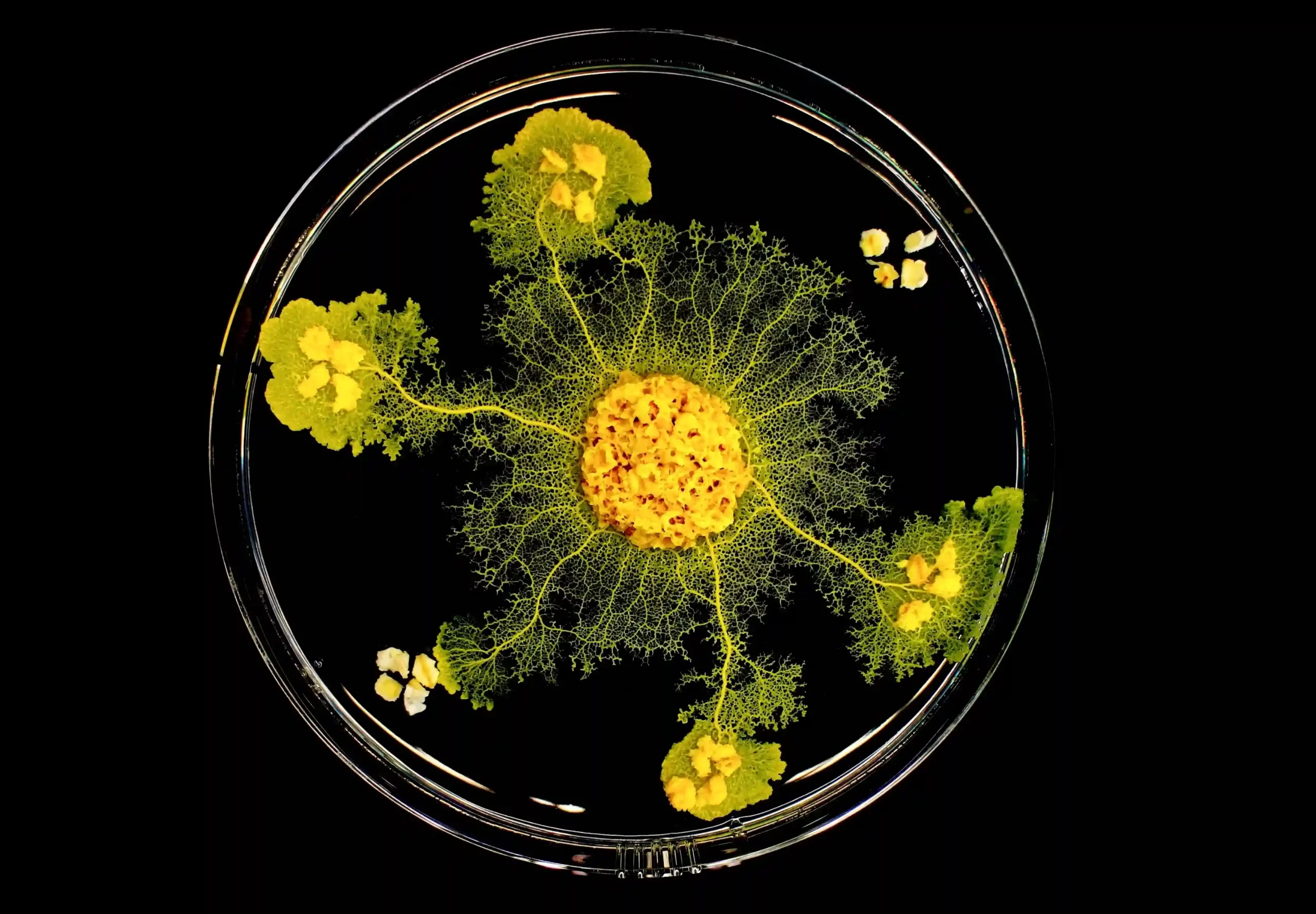
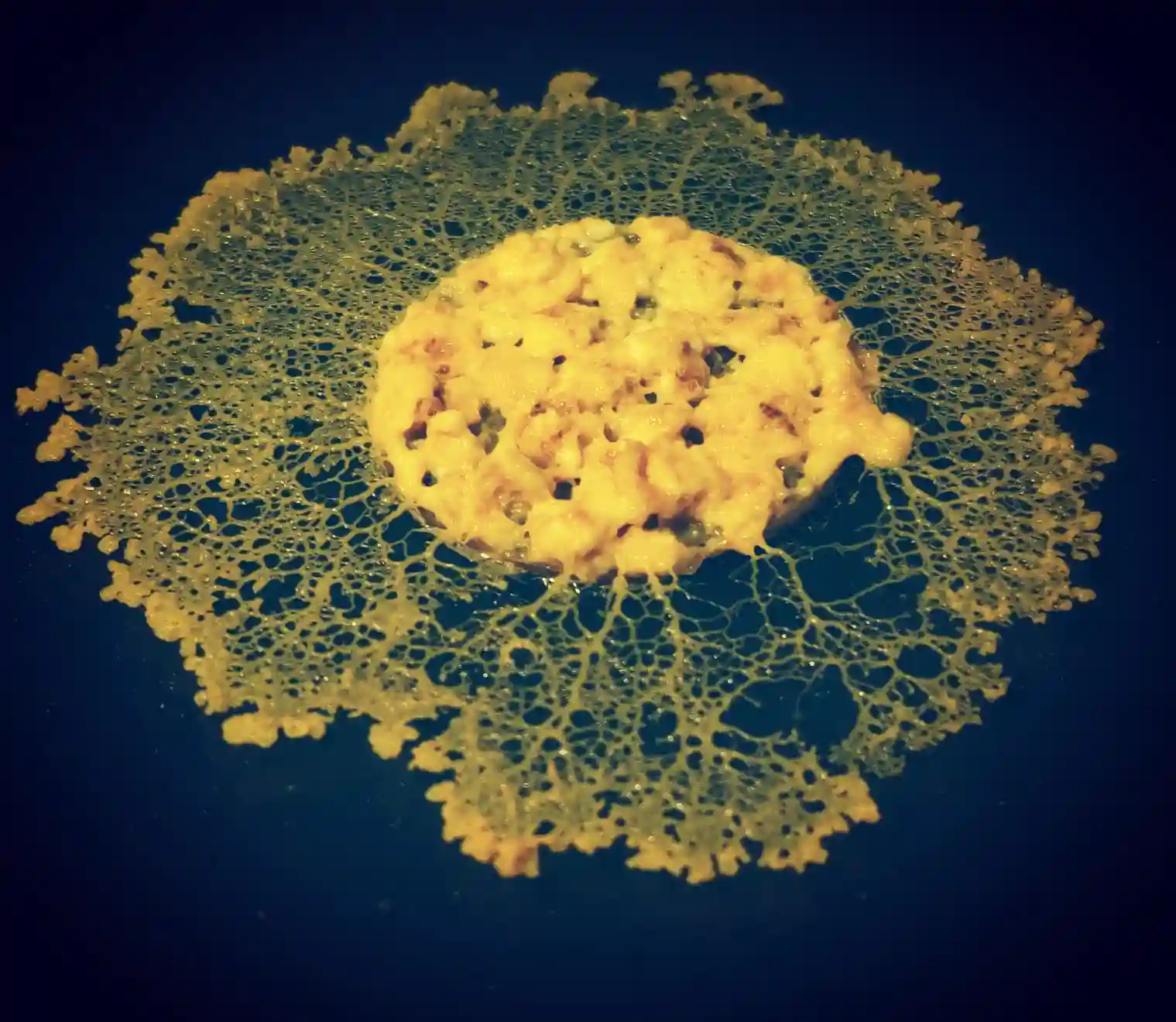
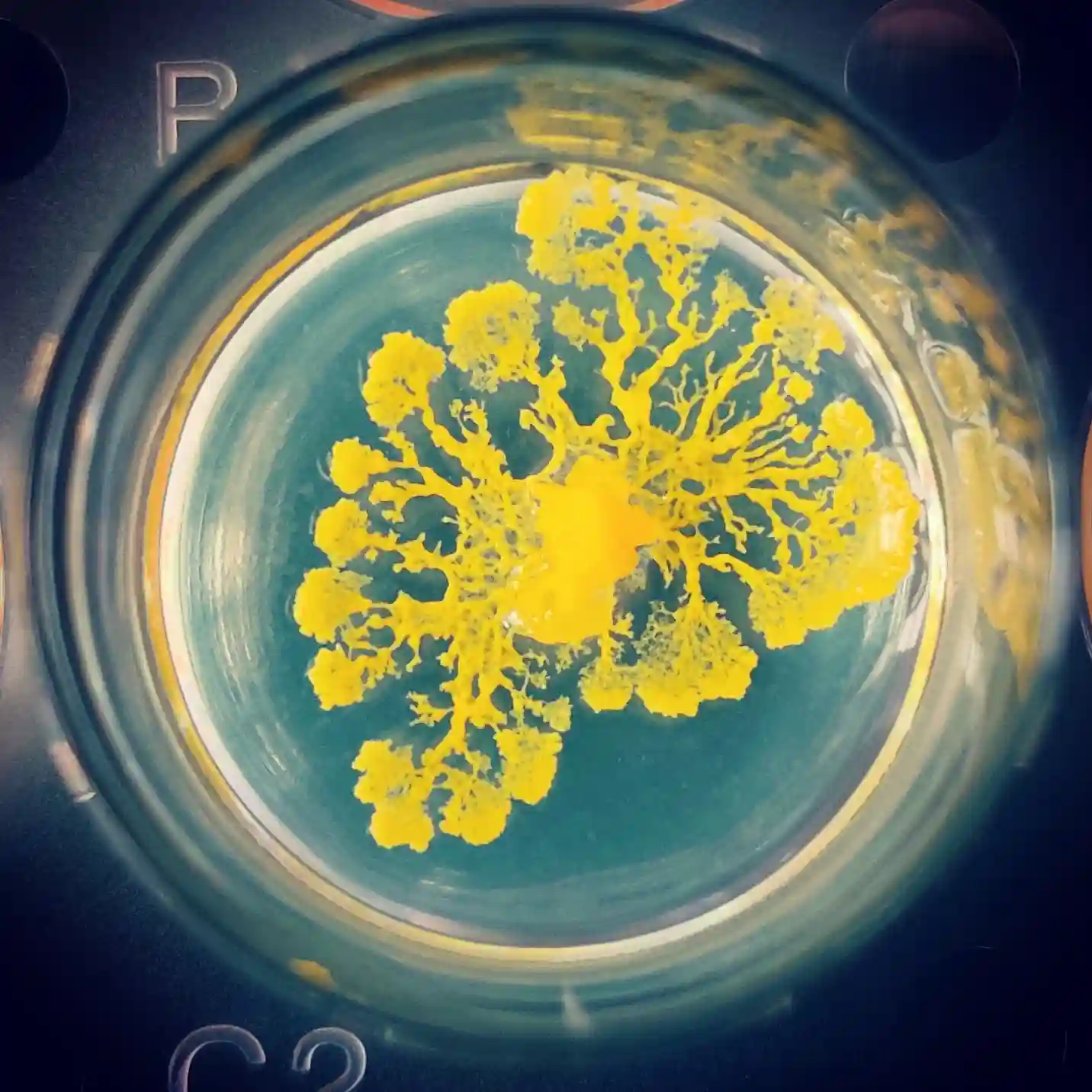
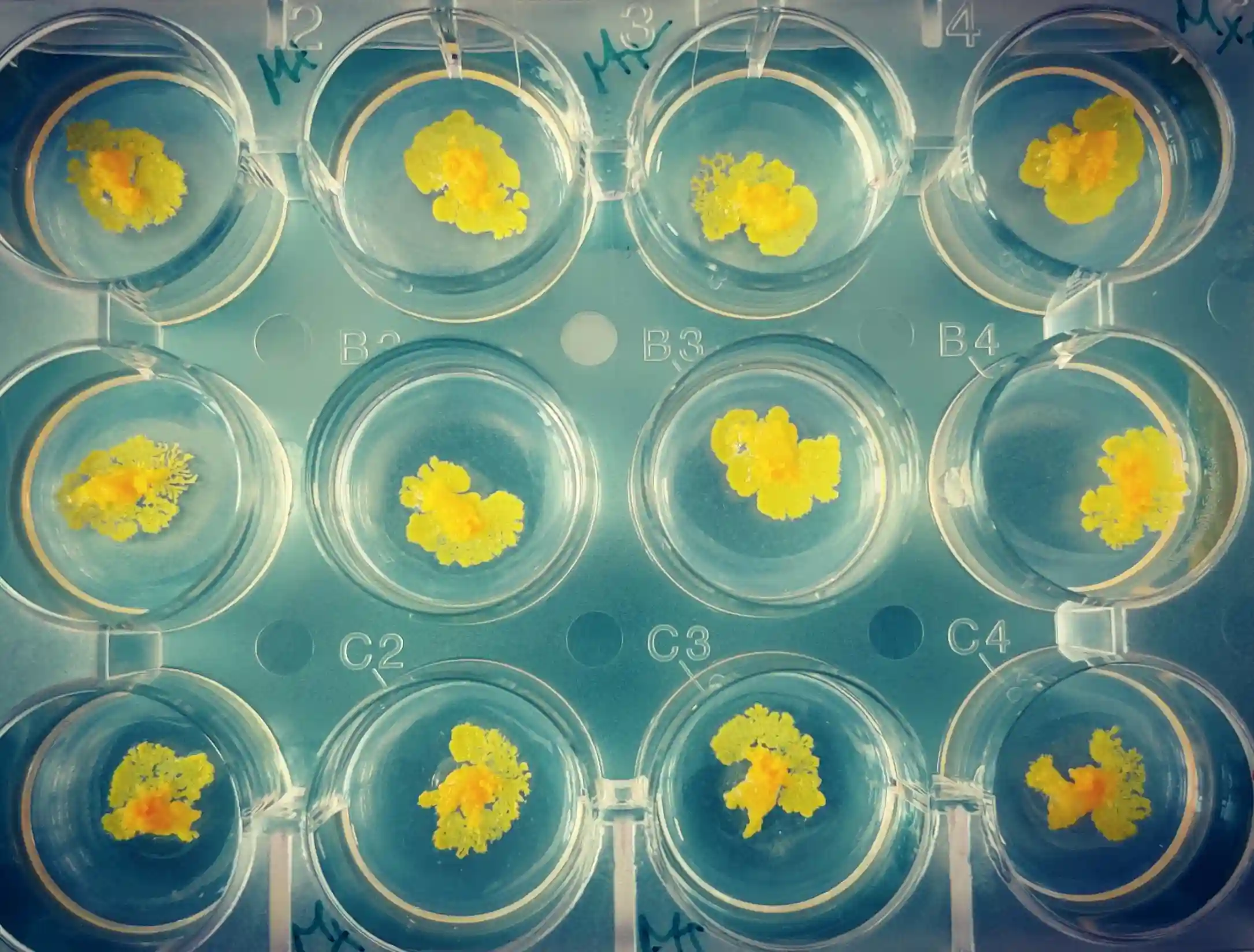
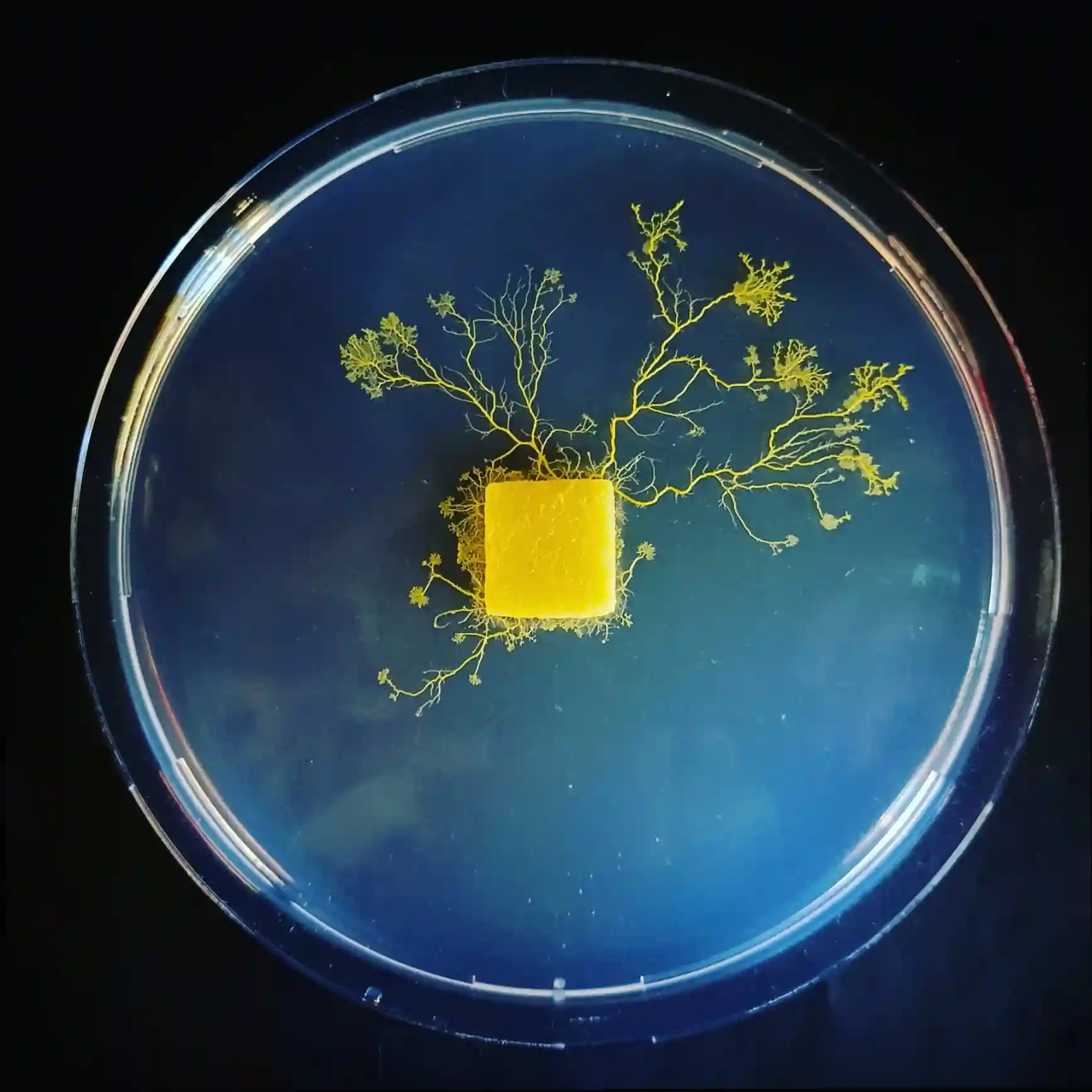
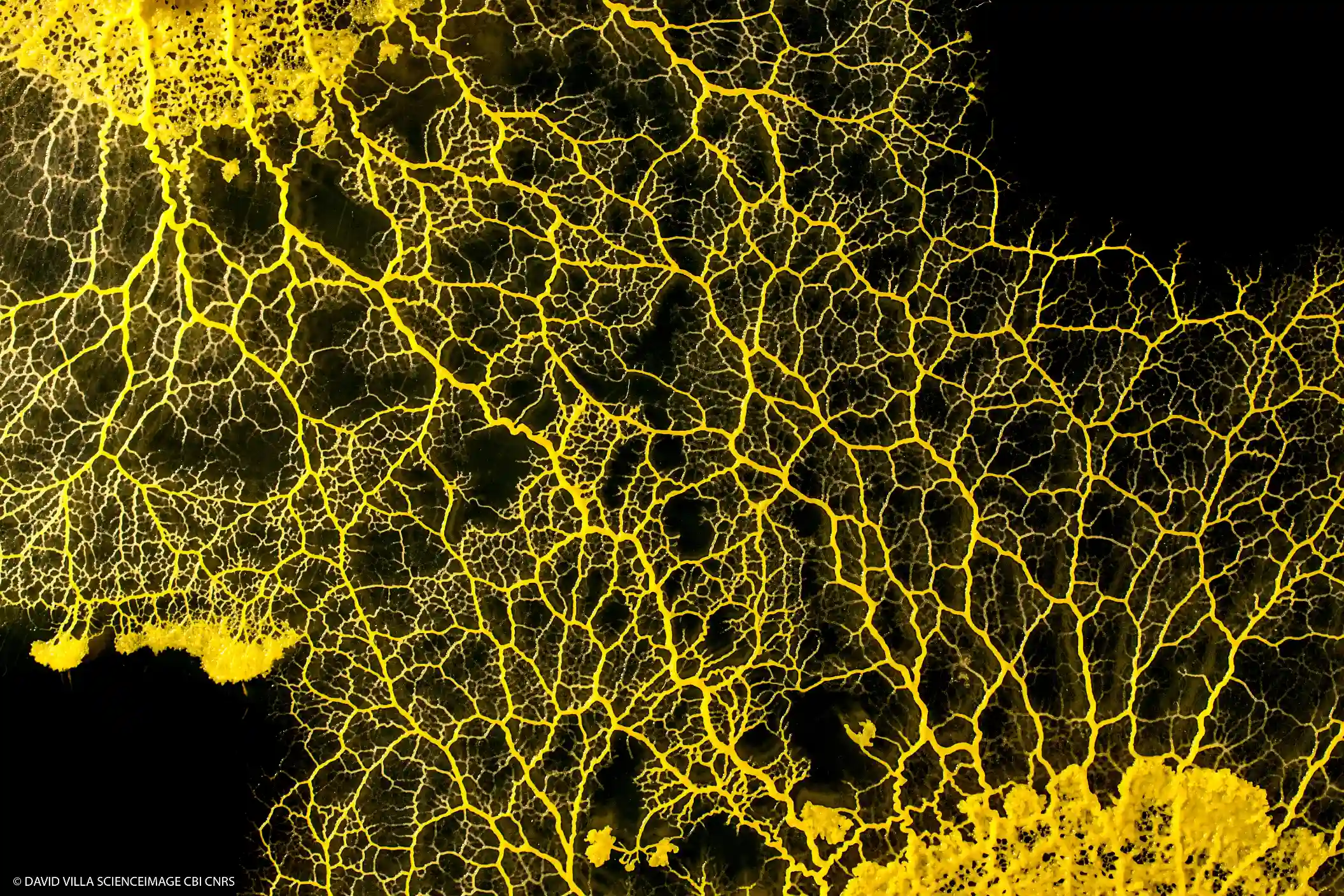
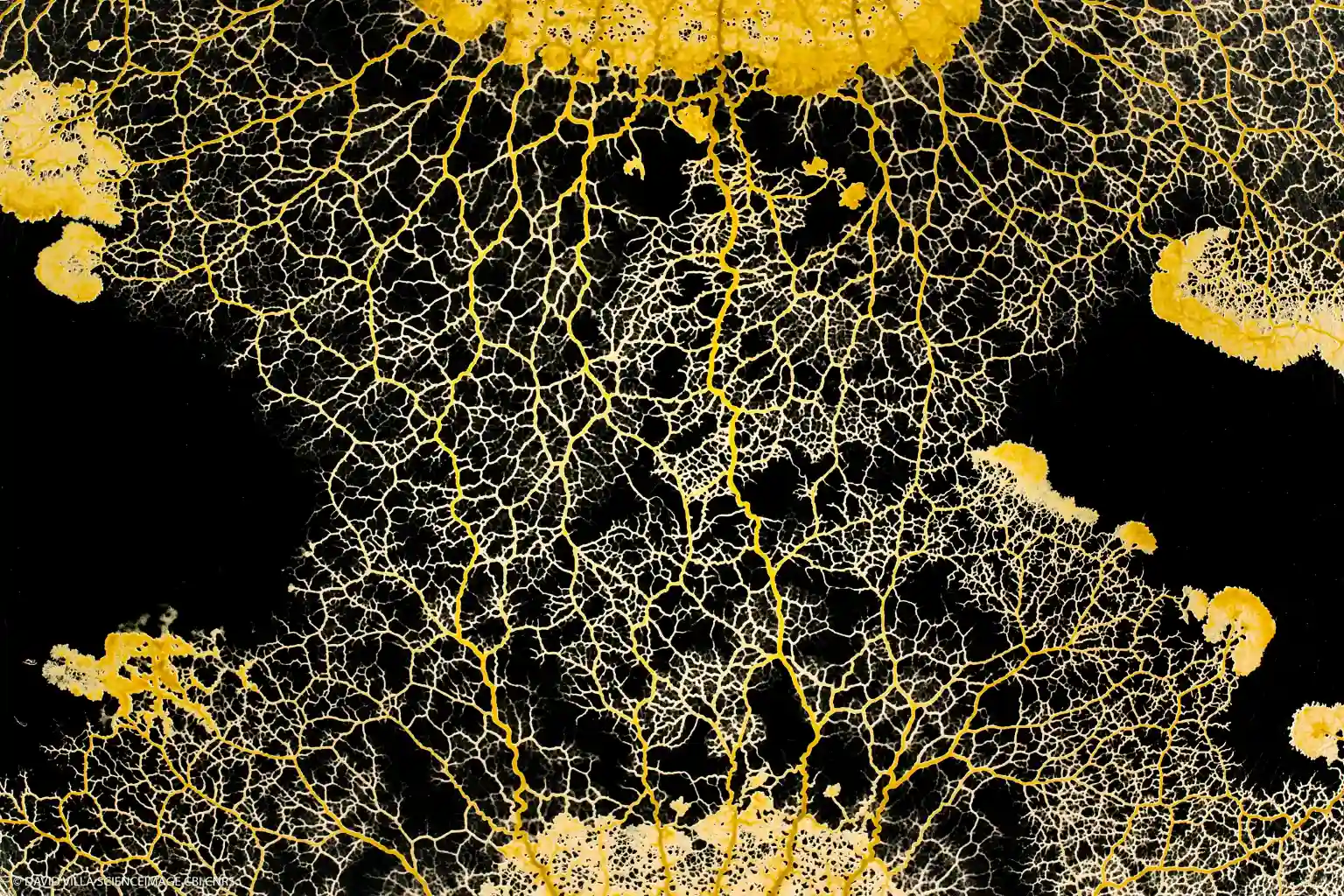
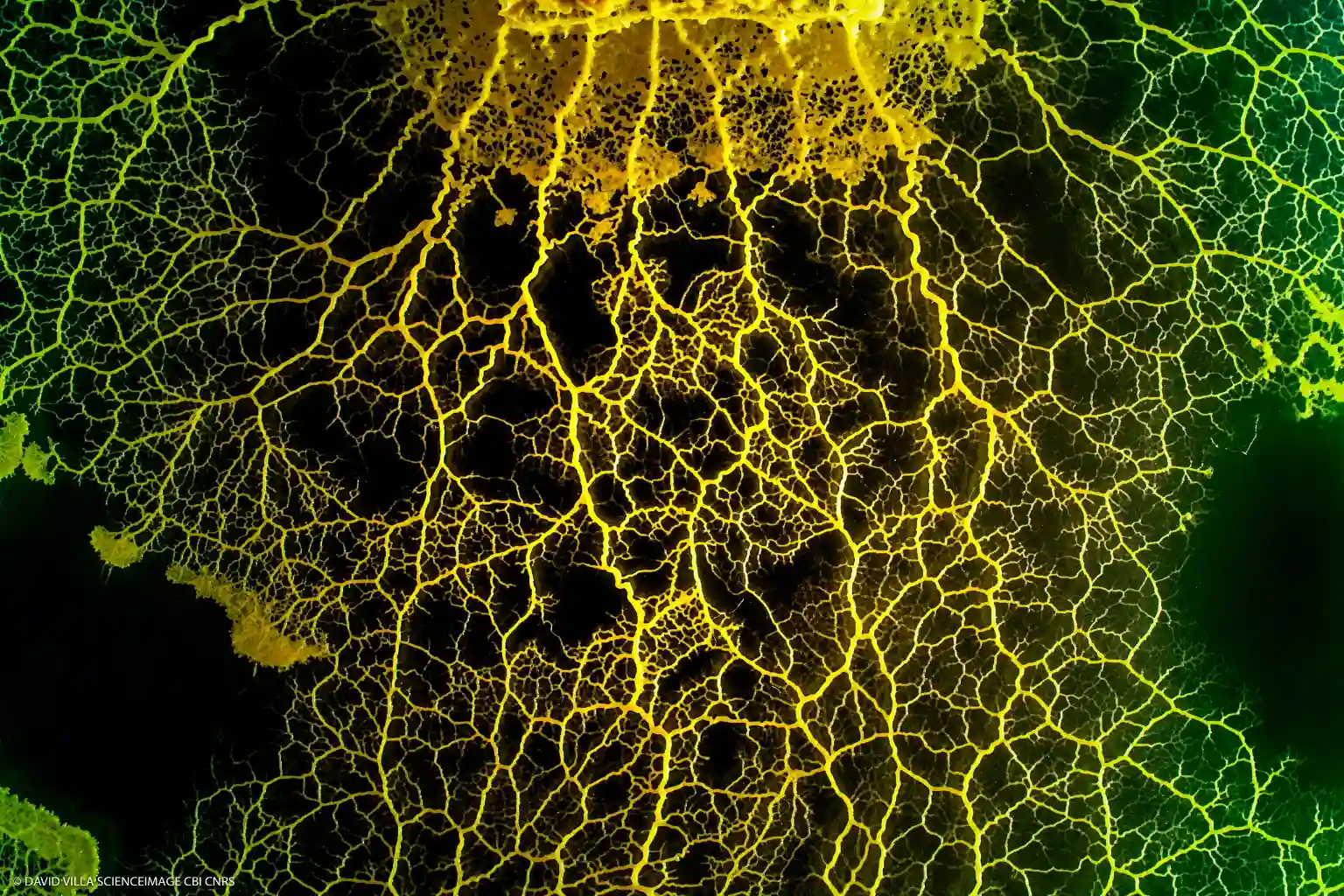
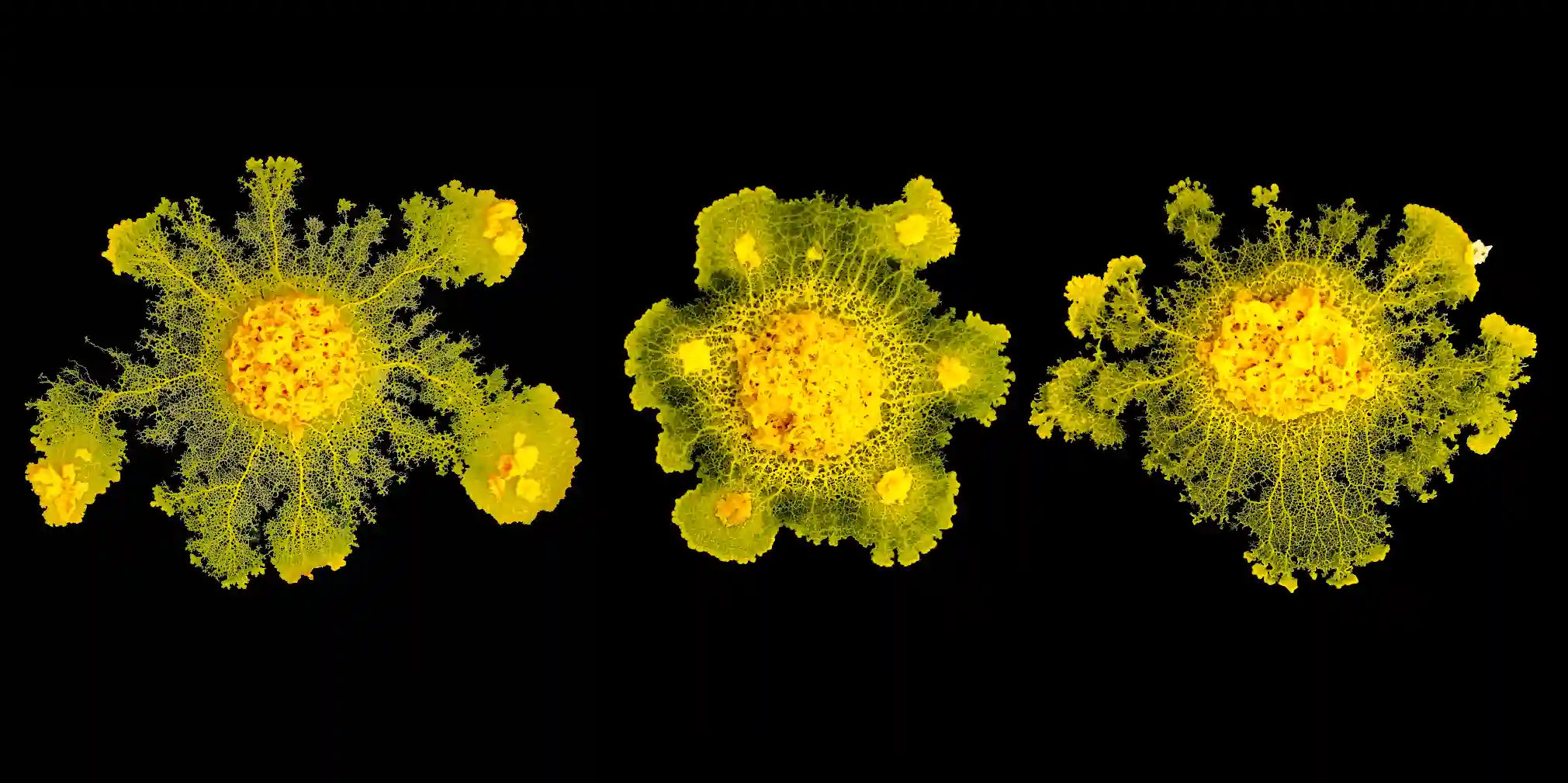
Although single-cell organisms lack the complex hardware of a true brain, they inhabit complex ecological niches and face the same decision-making challenges as animals: they must feed and mate, adapt to changing conditions, sense and avoid predators, and find suitable microclimates. Equipped with a ‘biological toolkit’ of behavior-generating processes, these organisms can handle environments of varying complexity. This toolkit includes sensing and perception, valence, learning and memory, anticipation, signal integration, and communication, collectively referred to as basal cognition. This concept is supported by the variety of metabolic cellular processes single-cell organisms use to sense, evaluate, and monitor their internal and external environments, and the diverse functional outputs generated from these sensory inputs. We aim to explore the link between basal cognition and behavioral plasticity, demonstrating how fundamental cognitive processes within a single cell can influence an organism’s ability to adapt and respond to environmental changes.
Project 2
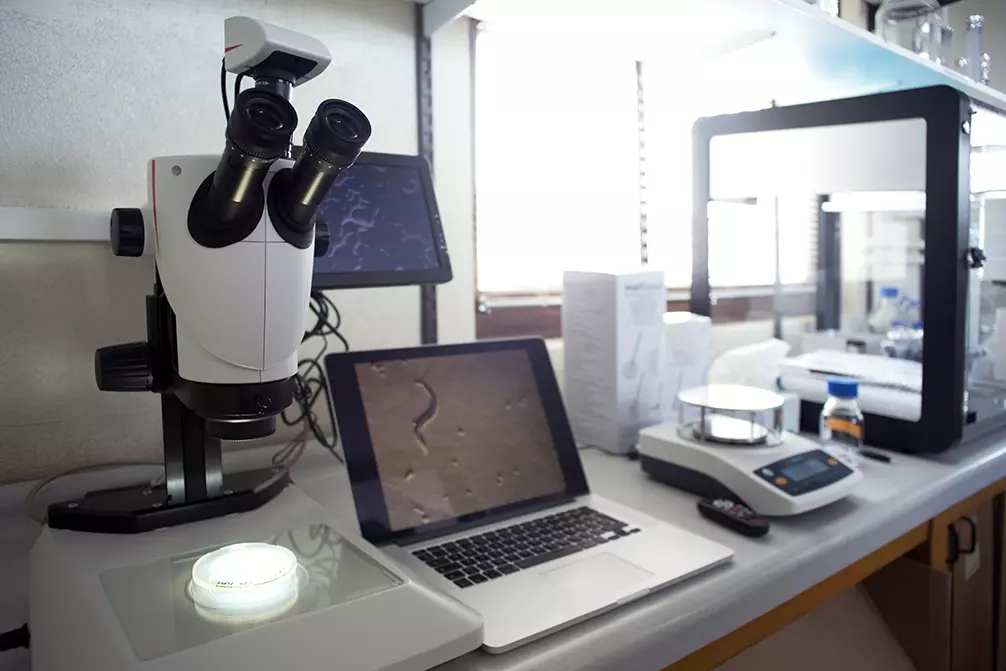
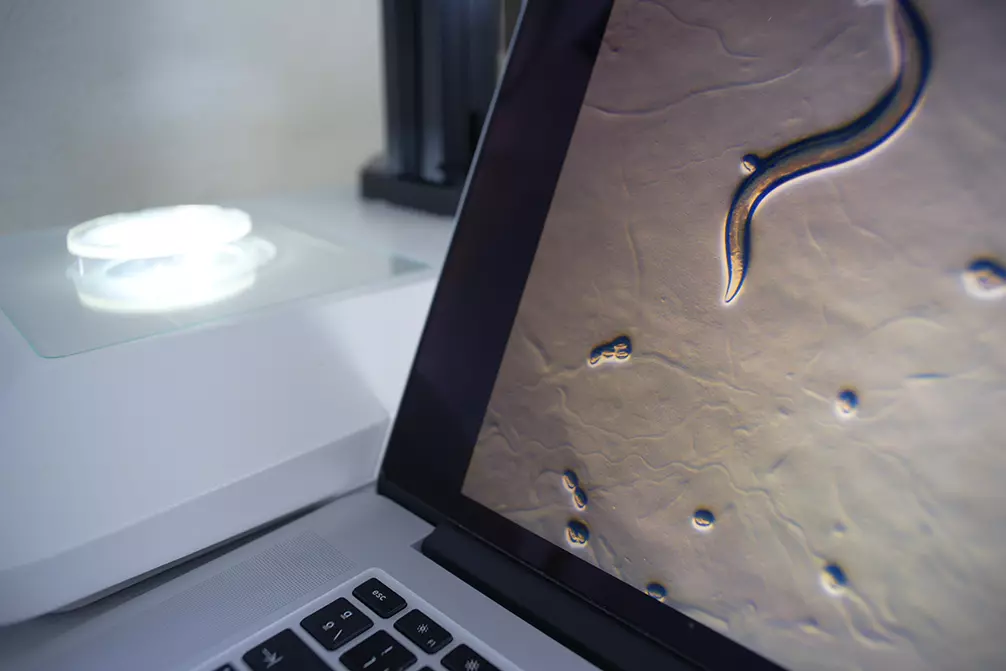
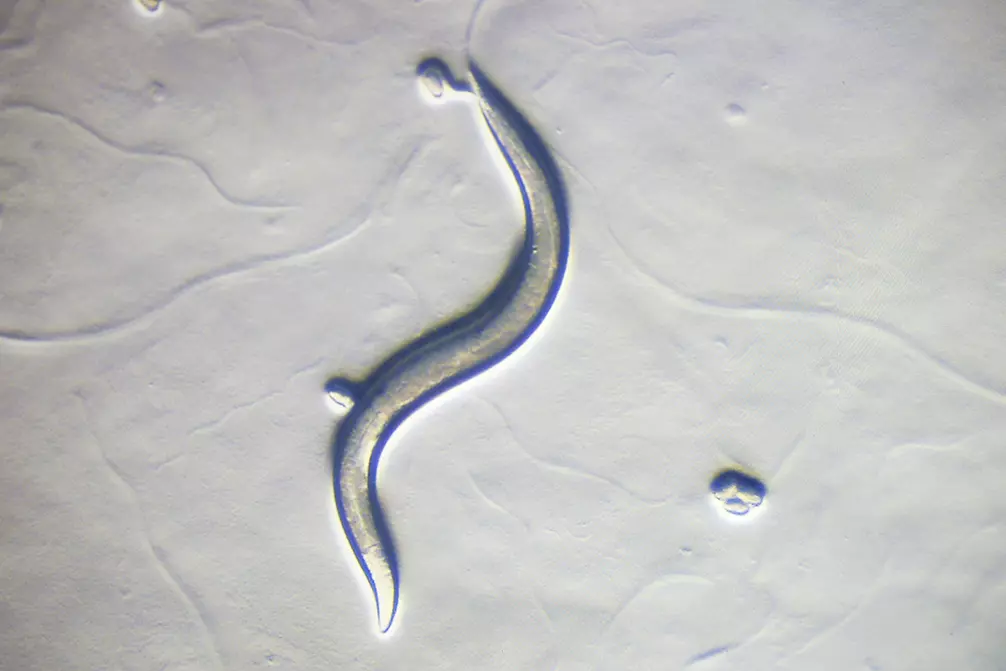
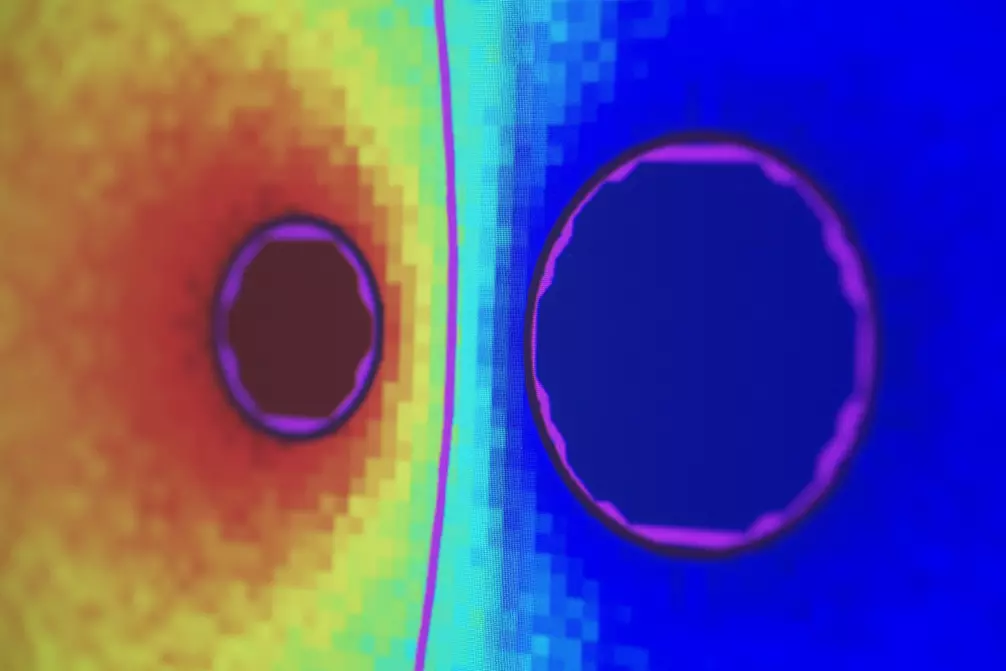
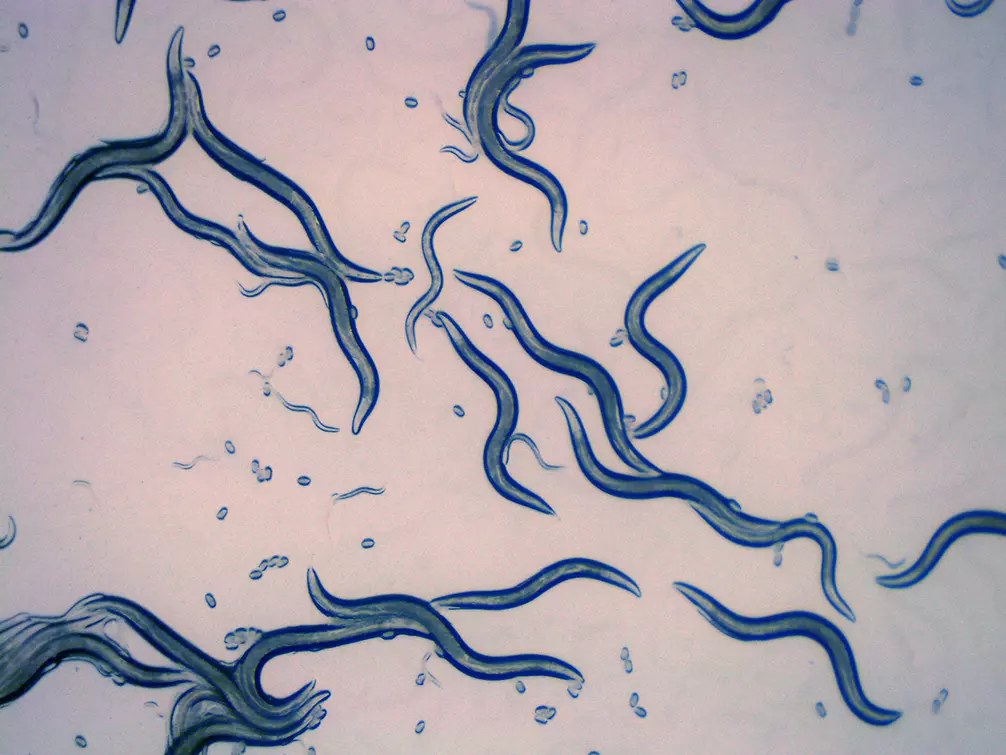
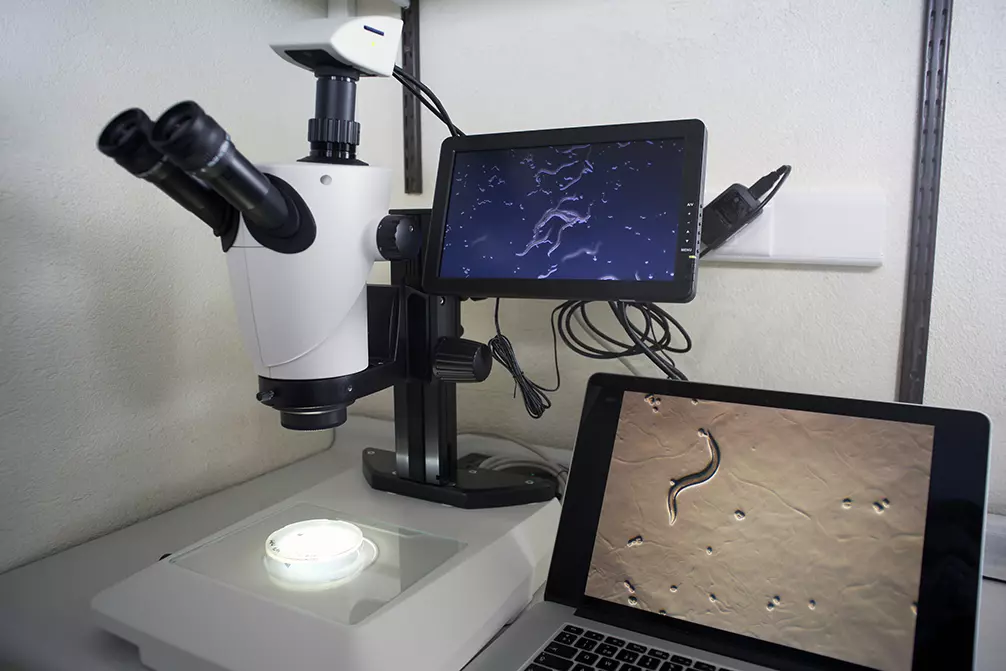
Foraging is one of the best studied behaviors in the context of optimal models. However, most work has been focused on complex animals, which have advanced sensory abilities (such as vision). We are trying to understand how simple organisms, from motile bacteria to lower invertebrates, manage to find and consume food efficiently despite their strong cognitive and sensory limitations. To do this, we are developing new models for Optimal Foraging where these limitations are taken into account explicitly, and testing them on the nematode Caenorhabditis elegans. Our theoretical work also covers other areas of decision-making, and notably collective decisions.


Project 3
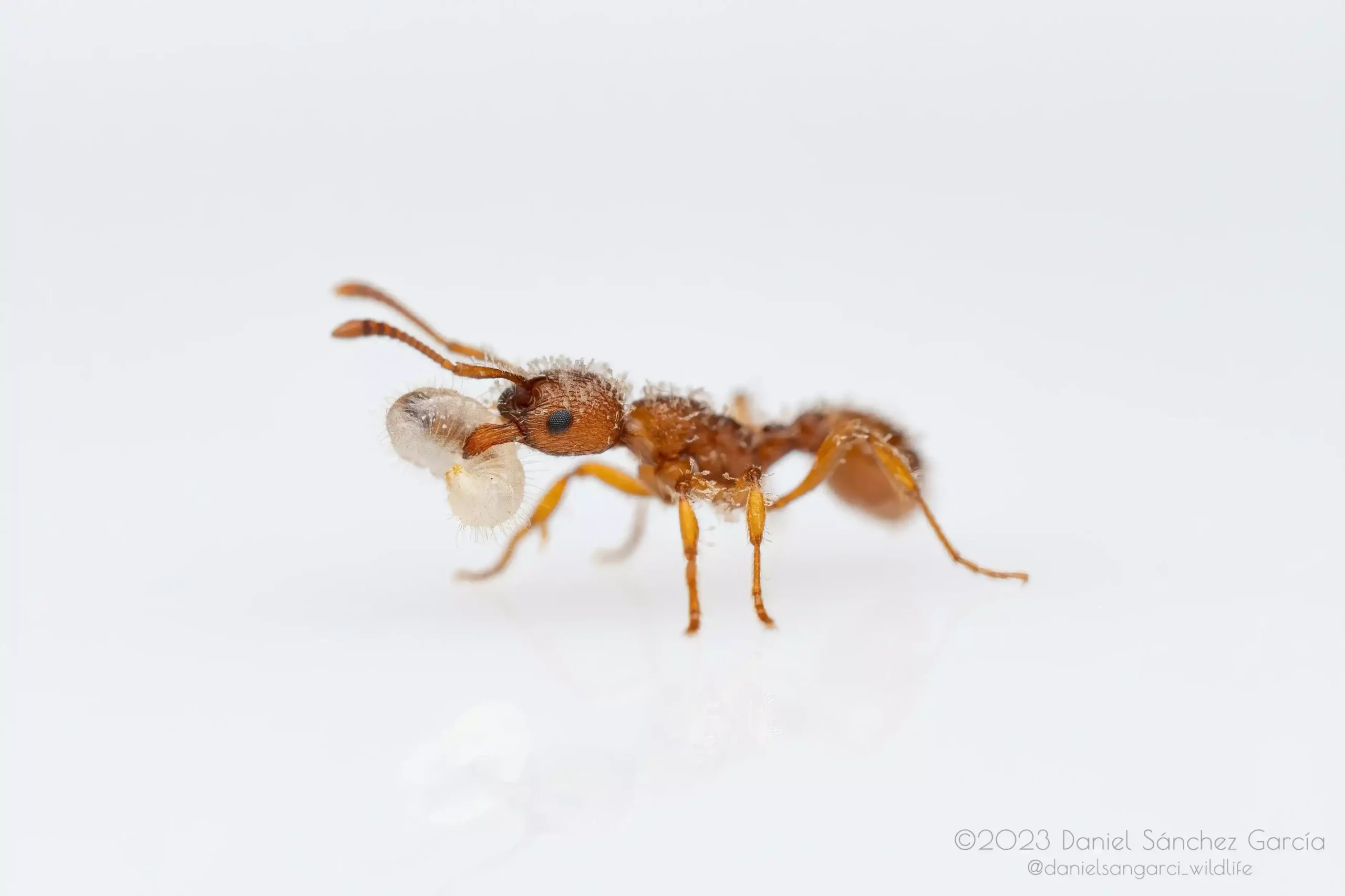
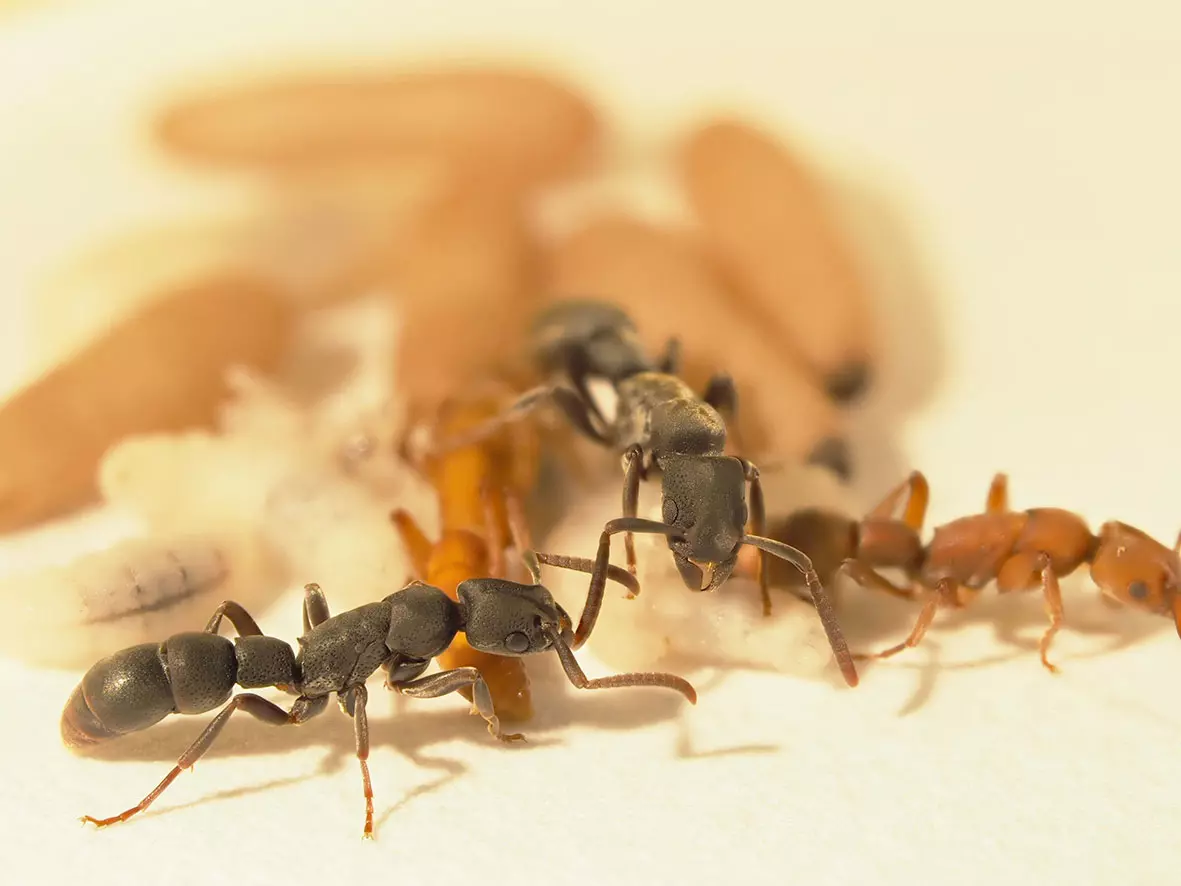
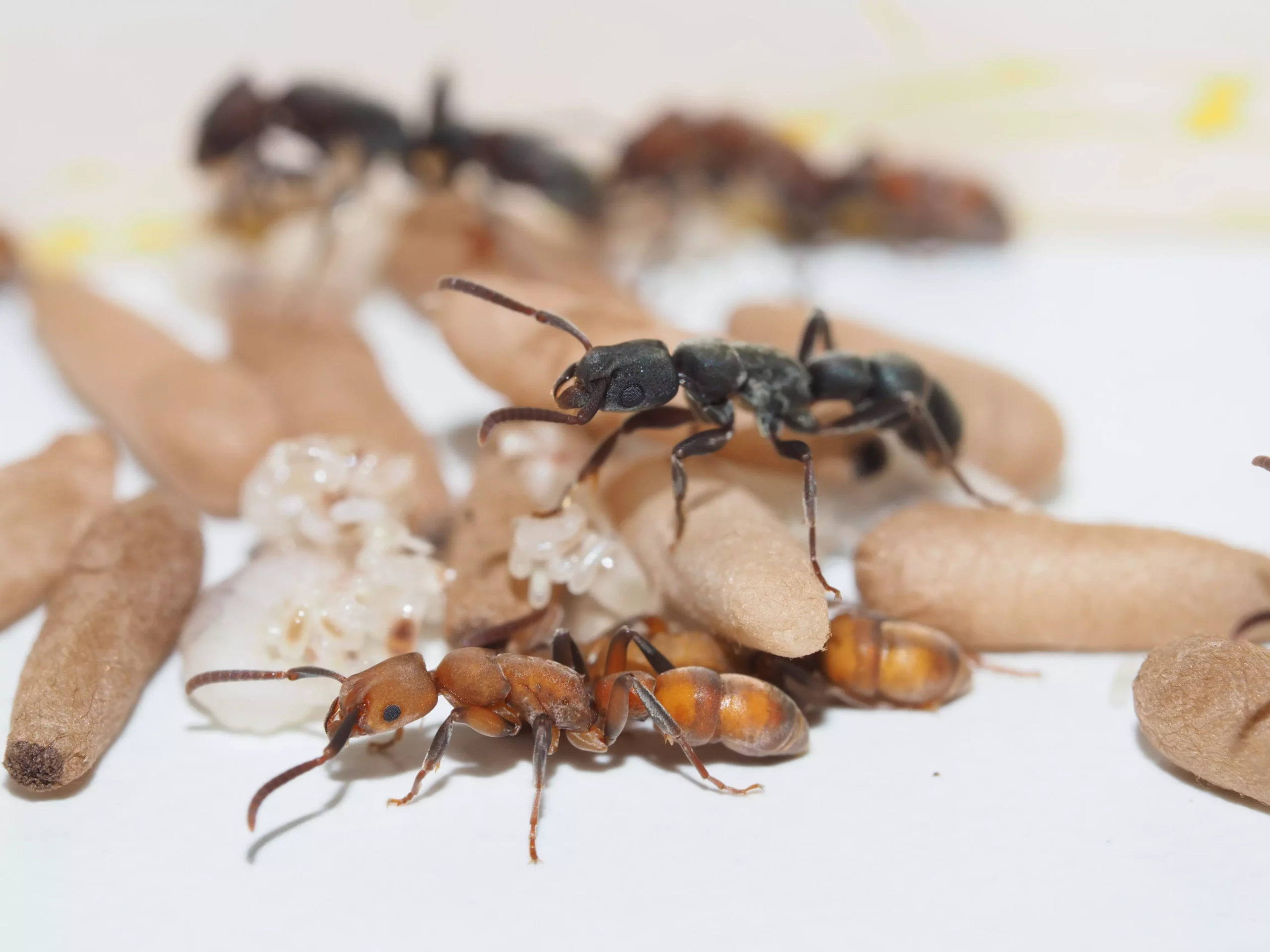
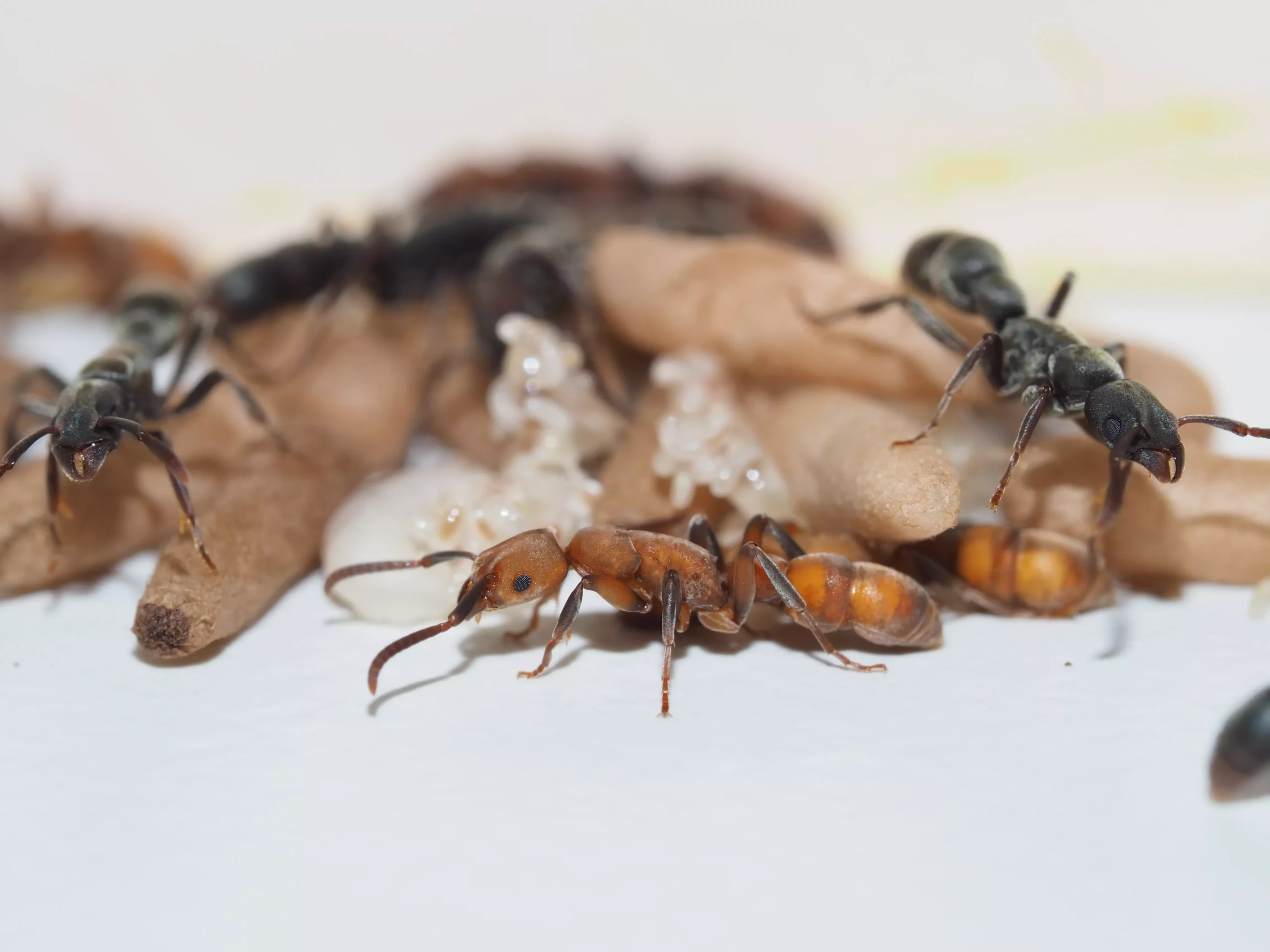
Compared to solitary lifestyles, living in social groups provides many advantages for its members, such as better protection from predators, increased efficiency in brood care, information sharing regarding food or habitat resources. However, social life also implies sharing diseases via interactions with other group members and leading even to epidemics in some cases, within the social group. Interestingly, during outbreaks, some individuals become ill or die, while others recover quickly or show no signs of the disease. These differences among individuals highlight several fundamental questions, such as why are some individuals susceptible to infectious diseases while others resist better? Or can an organism’s access to resources increase its resistance or susceptibility to parasites? This project aims to understand how variability in health, behaviour and immune defense is coordinated within an individual and within an ant society.
Project 4
Reproductive division of labor is a defining feature of eusocial societies. The separation between reproductive and non-reproductive individuals has set the stage for increased colony complexity in social insects, and is likely responsible for the evolutionary and ecological success of ants, bees and termites. Despite the importance of the division of labor in the evolution of social insects, the mechanisms behind task specialization remain largely unexplored. This project aims to investigate the evolution of division of labor and uncover how reproductive and non-reproductive roles emerged. In particular, we explore the influence of environmental and social factors on individual development and how these factors contributed to the emergence of caste determination in social insects.
Project 5
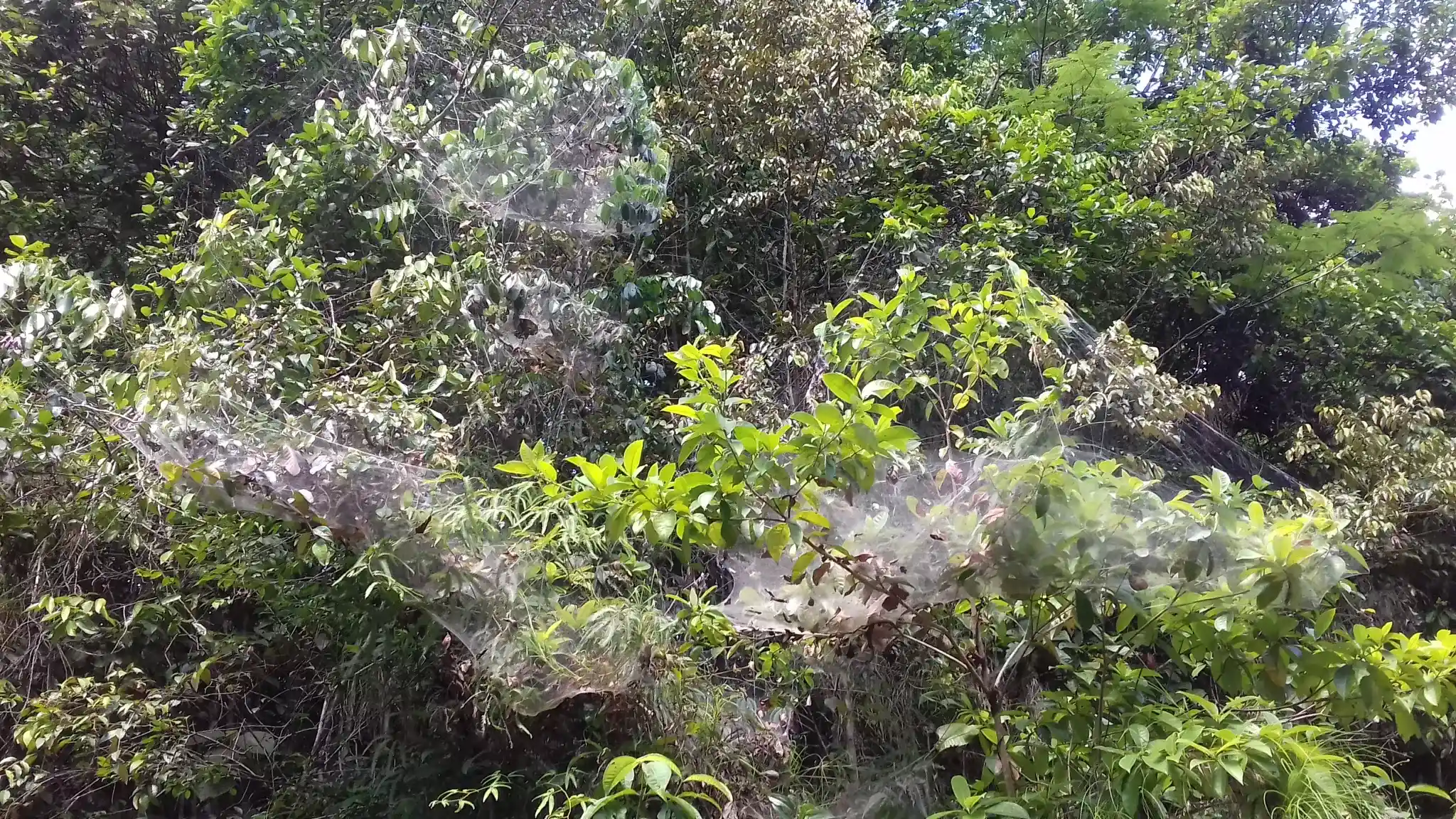
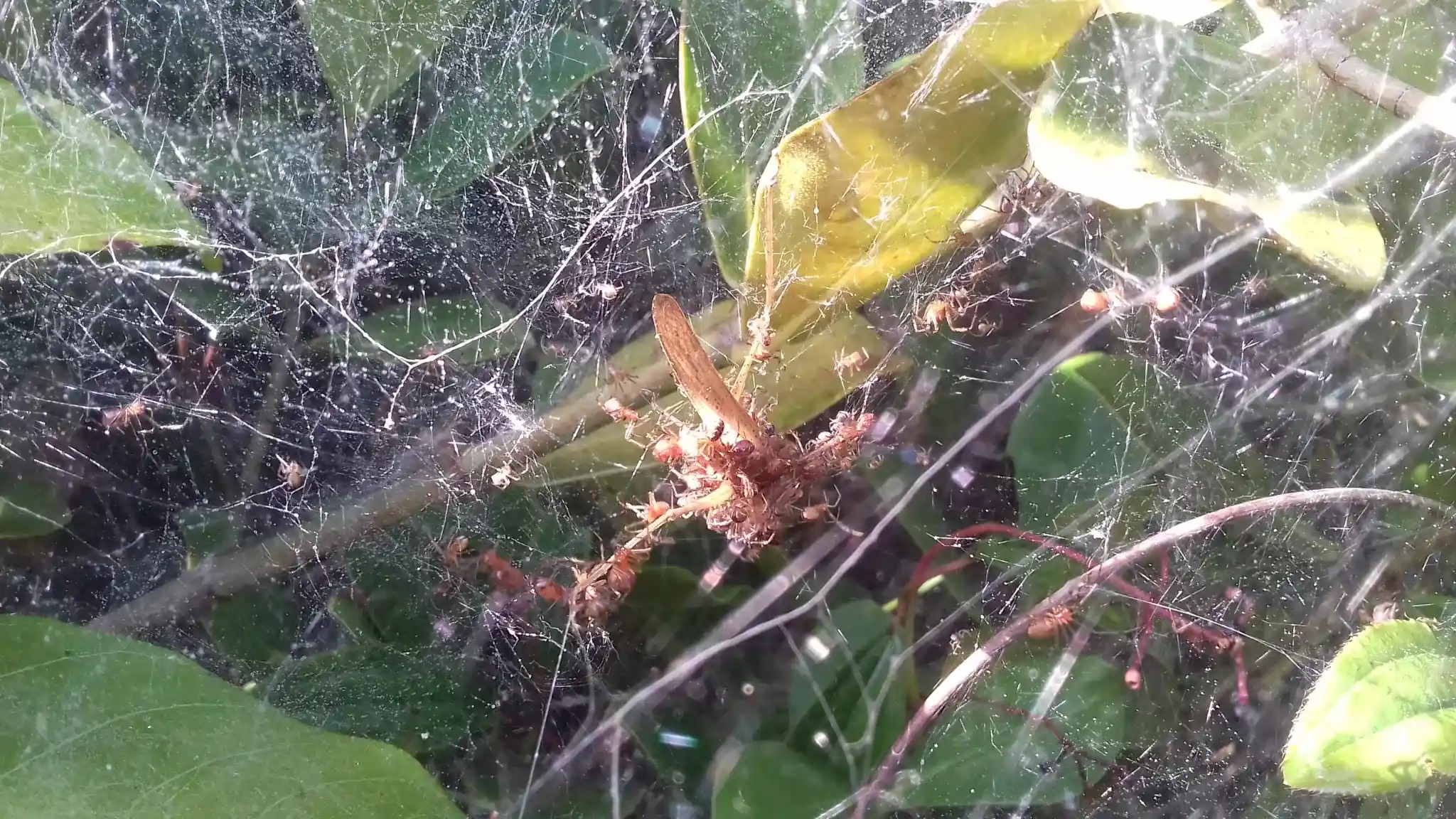
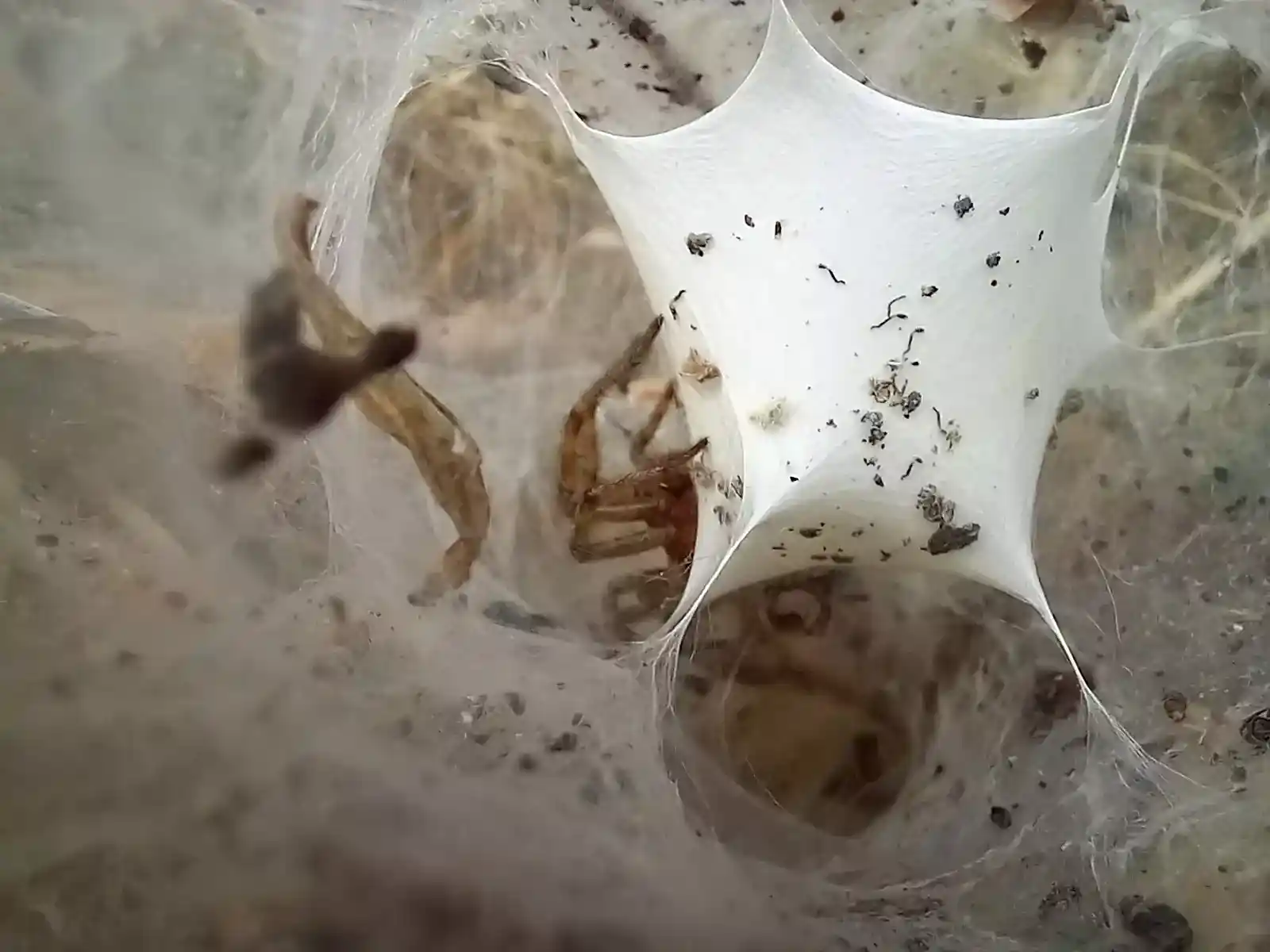
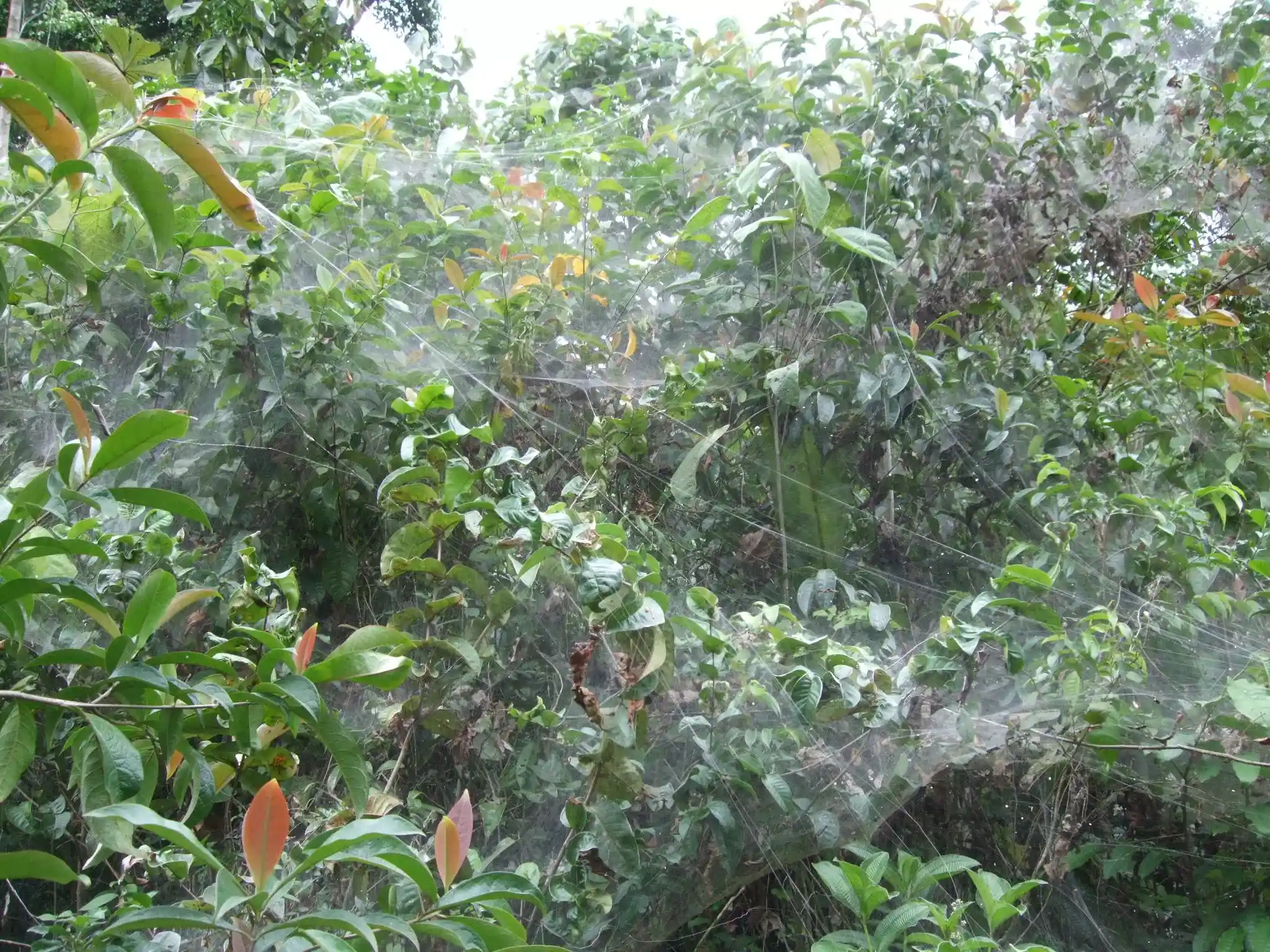
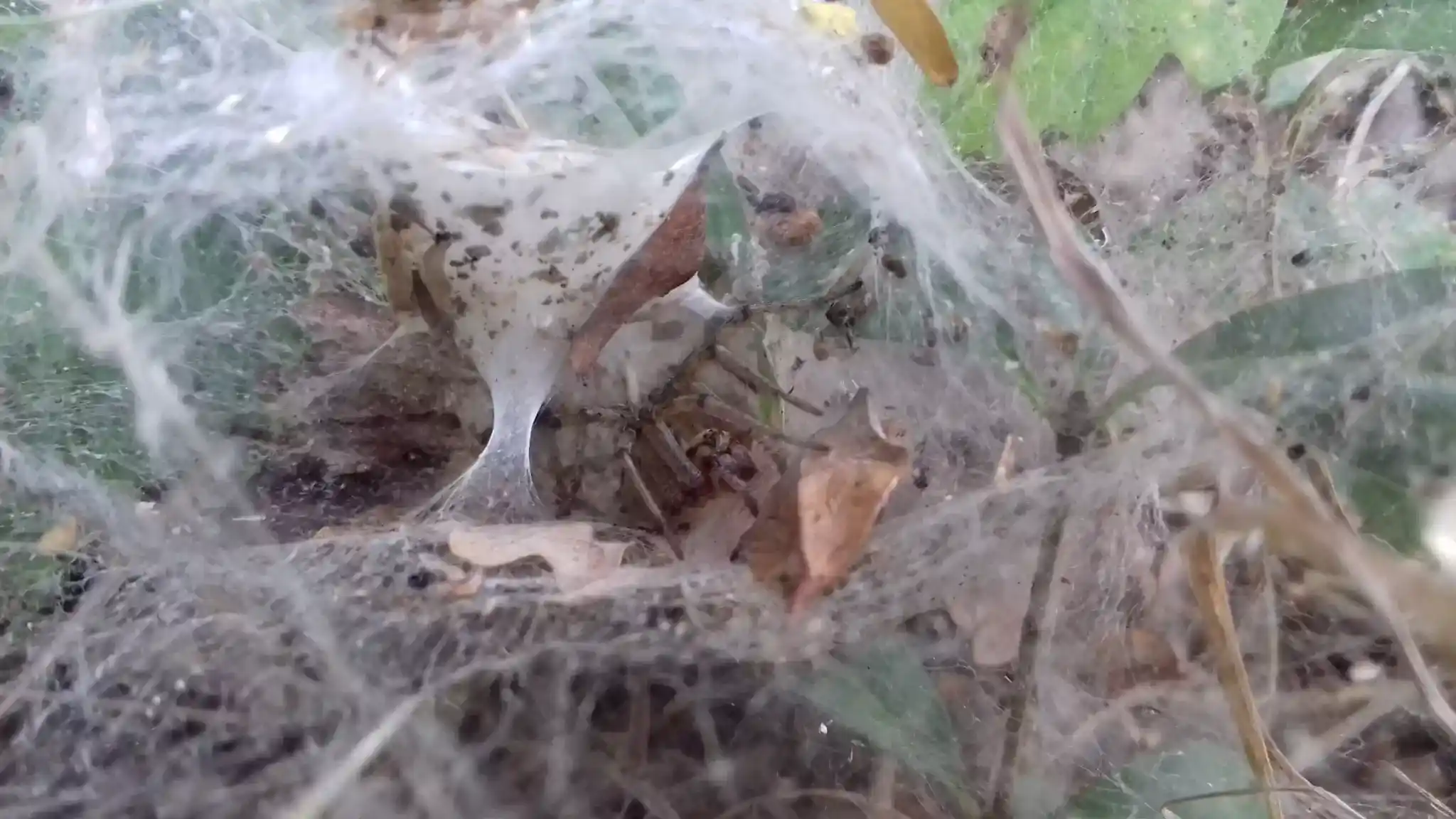
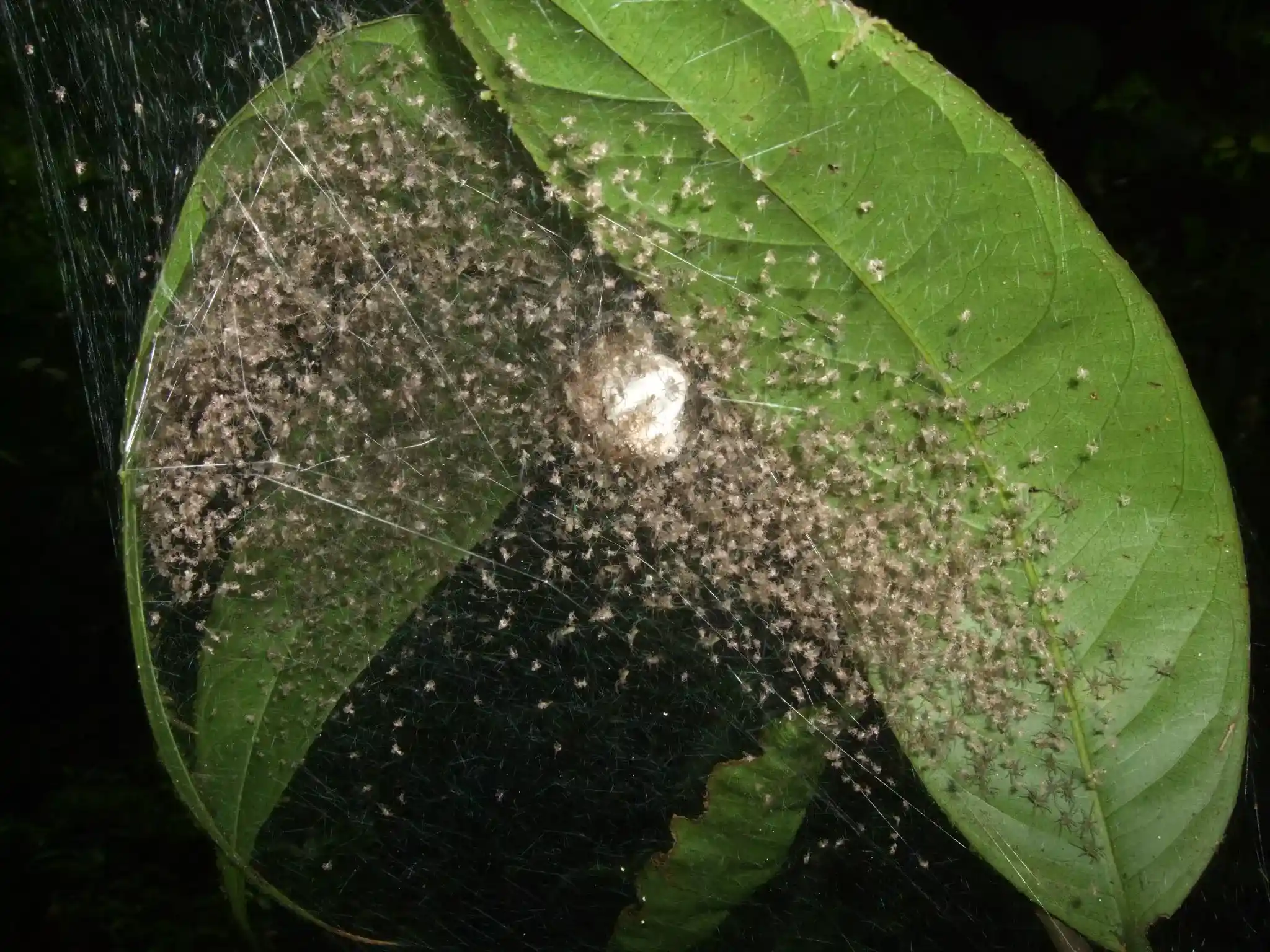
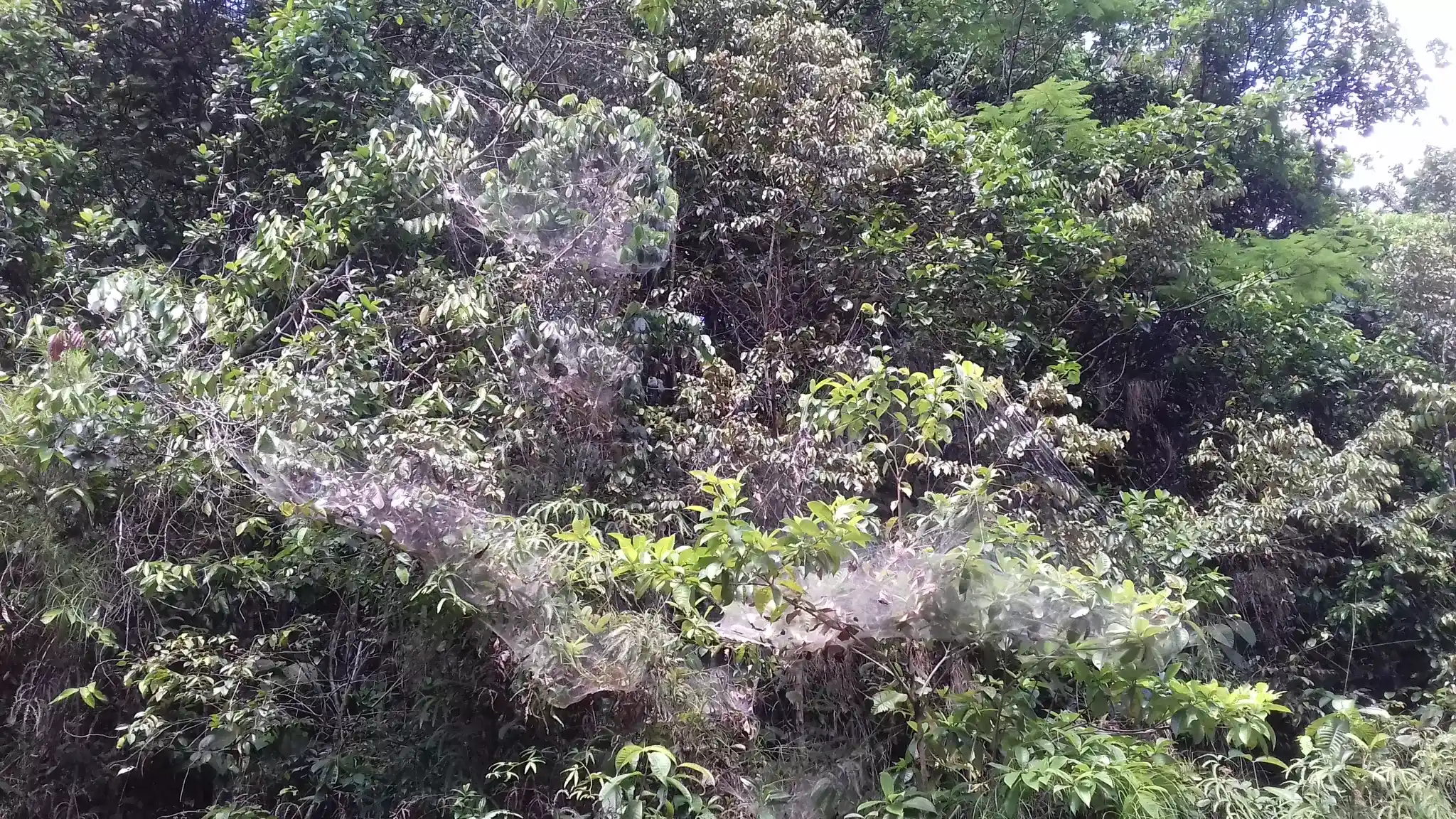
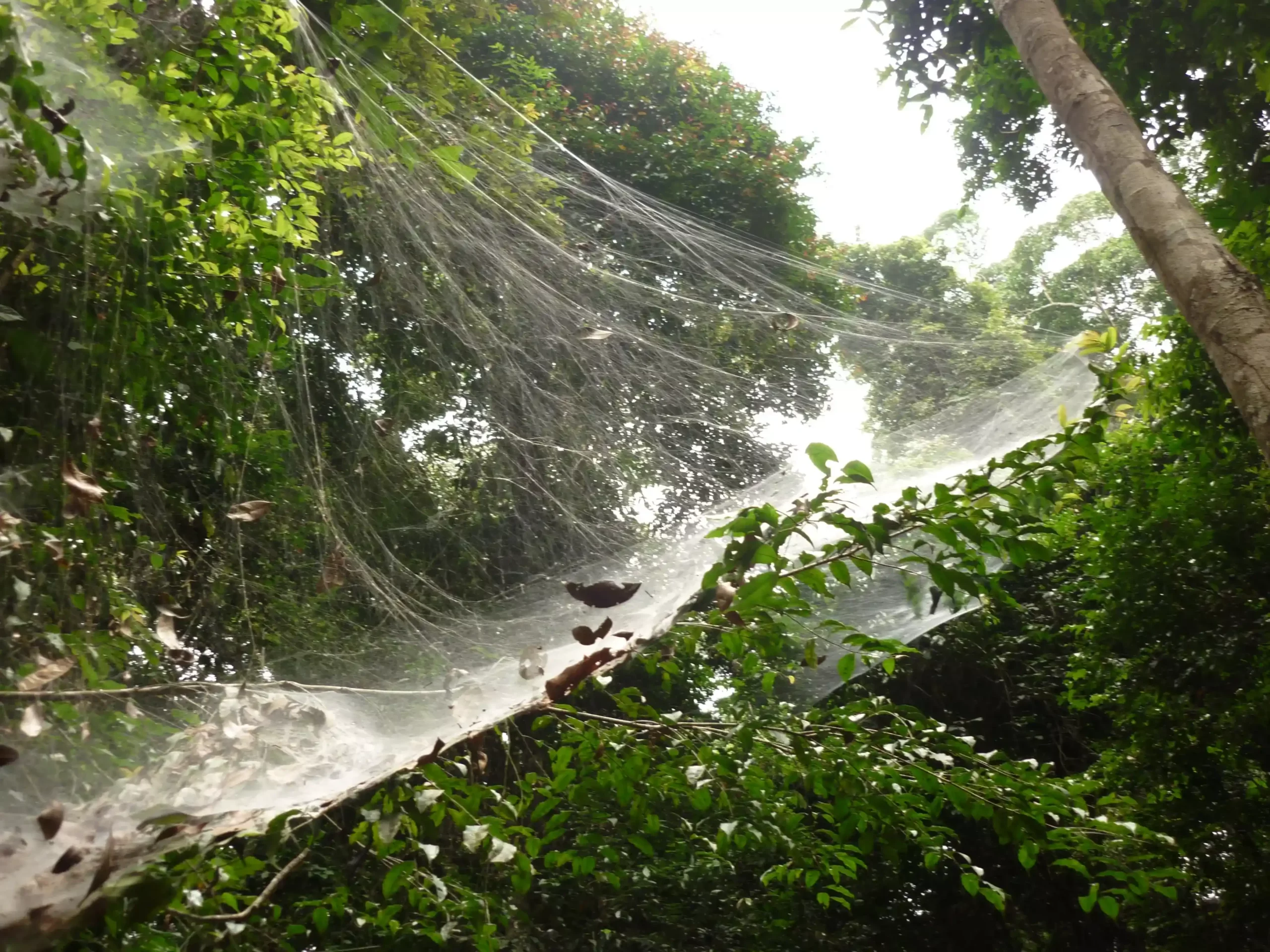
Sociality spans a remarkable range of forms, from the simple aggregations to the most integrated societies. Nevertheless, our understanding of the proximal mechanisms that drive transitions between different levels of social organization remains limited. In arthropods, we are studying how changes in the social context experienced early in development shape later social behavior in solitary species. Our overall aim is to identify the mechanisms and signaling pathways that may have been co-opted during evolution to lead to the emergence of permanent sociality. In addition, we are employing comparative methods between solitary and social species to examine if changes in social organizations are accompanied by variations in the levels of behavioral flexibility and brain plasticity.
Team members
– Boussard, A., Fessel, A., Oettmeier, C., Briard, L., Döbereiner, H.G. and Dussutour, A. (2021). Adaptive behaviour and learning in slime moulds: the role of oscillations. Phil. Trans. R. Soc. B, 376, 20190757.
– Chiara, V., Arrufat, P., and Jeanson, R. (2022). A variable refractory period increases collective performance in noisy environments. Proc. Natl. Acad. Sci. U.S.A., 119, e2115103119.
– Chiara, V., Ramon Portugal, F. and Jeanson, R. (2019). Social intolerance is a consequence, not a cause, of dispersal in spiders. PLOS Biology, 17, e3000319.
– Csata, E., Casacci, L.P., Bernadou, A., Ruther, J., Heinze, J. and Markó, B. (2023). What does not kill you makes you peaceful: non-lethal fungal infection could reduce aggression towards strangers in ants. Comm Biol, 6, 183.
– Csata, E., Pérez-Escudero, A., Laury, E., Leitner, H., Latil, G., Heinze, J., Simpson, S.J., Cremer, S. and Dussutour, A. (2024). Fungal infection alters collective nutritional intake of ant colonies. Curr Biol, 34, 902-909.
– Kreider, J.J., Janzen, T., Bernadou, A., Elsner, D., Kramer, B.H., and Weissing, F.J. (2022). Resource sharing is sufficient for the emergence of division of labour. Nat Commun 13, 7232.
– Madirolas, G., Al-Asmar, A., Gaouar, L., Marie-Louise, L., Garza-Enríquez, A., Rodríguez-Rada, V., Khona, M., Dal Bello, M., Ratzke, C., Gore, J., and Pérez-Escudero, A. (2023). Caenorhabditis elegans foraging patterns follow a simple rule of thumb. Commun Biol, 6, 841.
– Rolland, A., Pasquier, E., Malvezin, P., Cassandra, C., Dumas, M. and Dussutour, A., (2023). Behavioural changes in slime moulds over time. Phil. Trans. R. Soc. B, 378, 20220063.
Affiliation