Mycobacterium tuberculosis, the bacterium responsible for tuberculosis, produces a large number of “toxin-antitoxin” pairs, which enable it to regulate its growth and adapt to attacks. Xue Han, Xibing Xu, Michèle Coddeville, Carine Pagès, and Pierre Genevaux, (LMGM-CBI) and their collaborators have identified a new “toxin-antitoxin” system—previously undetectable—that blocks protein production and thereby causes the death of the bacillus.
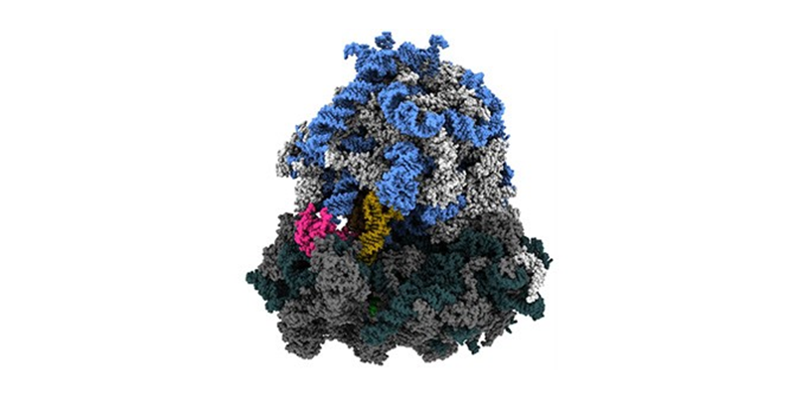
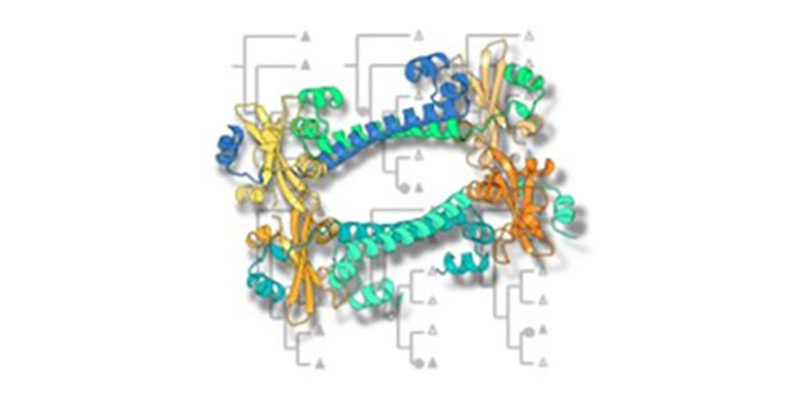
The exploration, using bioinformatics techniques, of the hidden reservoir of toxins in M. tuberculosis reveals new avenues of research, notably with the identification of the new toxin RelS and its antidote RelI. RelS is an atypical RNase that blocks bacterial growth—like other toxins with similar activity—by preventing protein synthesis, a process vital to the bacterium’s survival. It directly attacks the ribosome, the cellular “machine” that assembles proteins based on instructions contained in DNA, by targeting the 30S subunit of the ribosome. Resolution of the unique structure of the RelS/RelI complex shows that the RelI antitoxin masks the active/catalytic site of RelS, thereby inhibiting the toxin’s RNase activity.
This study has highlighted the anti-SD core sequence as a central site for RNase-type toxins and has expanded the arsenal of “toxin-antitoxin” systems of this pathogen.
Latest news